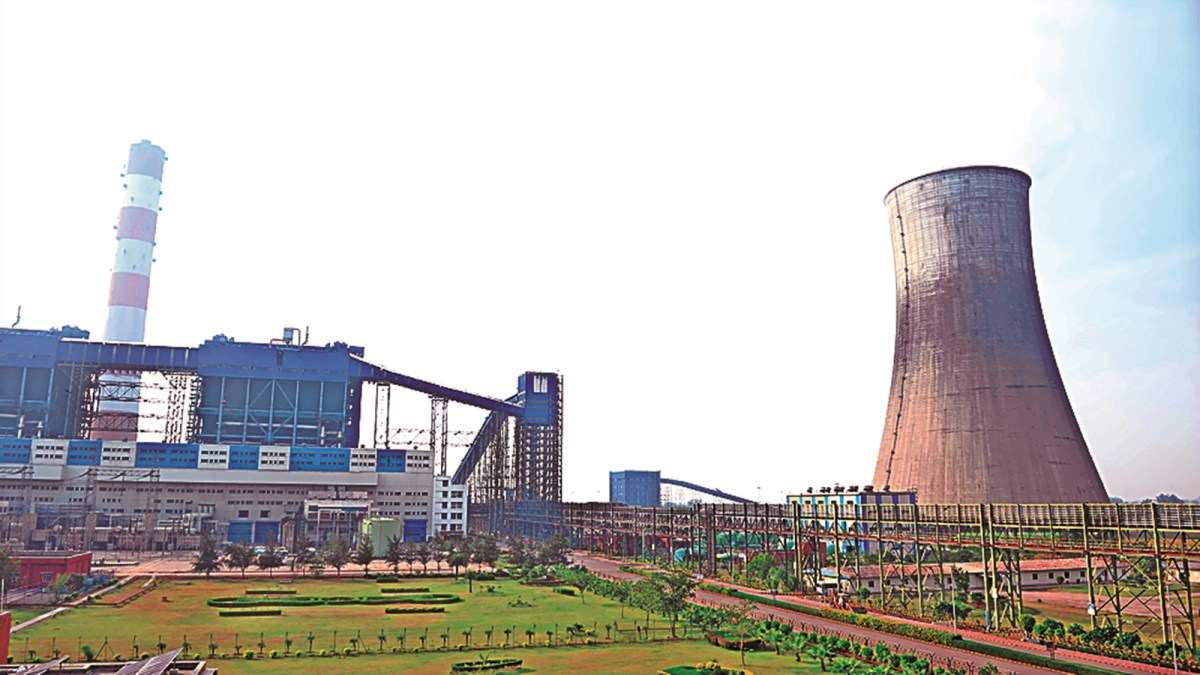
India’s power system still depends heavily on coal-based generation, but the Ministry of Power has linked that dependence to grid flexibility, fuel logistics, and storage-backed balancing. The official position is that thermal plants remain essential for reliability, while the electricity system is being adjusted to accommodate more renewable generation and peak-demand stress.
What the Ministry of Power said
According to the Ministry of Power, coal-based generation capacity in India is about 230.8 GW, and coal including lignite contributed 69.54% of electricity supplied from April to June 2026. The Ministry of Power also said that maximum generation from such plants reached about 188.8 GW during non-solar peak-demand hours.
The Ministry of Power said that as on 12 July 2026, thermal power plants had 42.8 million tonnes of coal stock, which was sufficient for 14 days at 85% plant load factor. The Ministry of Power added that coal is being received by thermal power plants at present to meet daily demand.
Background and earlier position
India has long used coal as the dominant fuel for electricity generation because coal-based plants provide firm power and can support grid stability. The challenge has been to keep this system reliable while renewable energy rises, especially because solar generation is not available during evening and night hours.