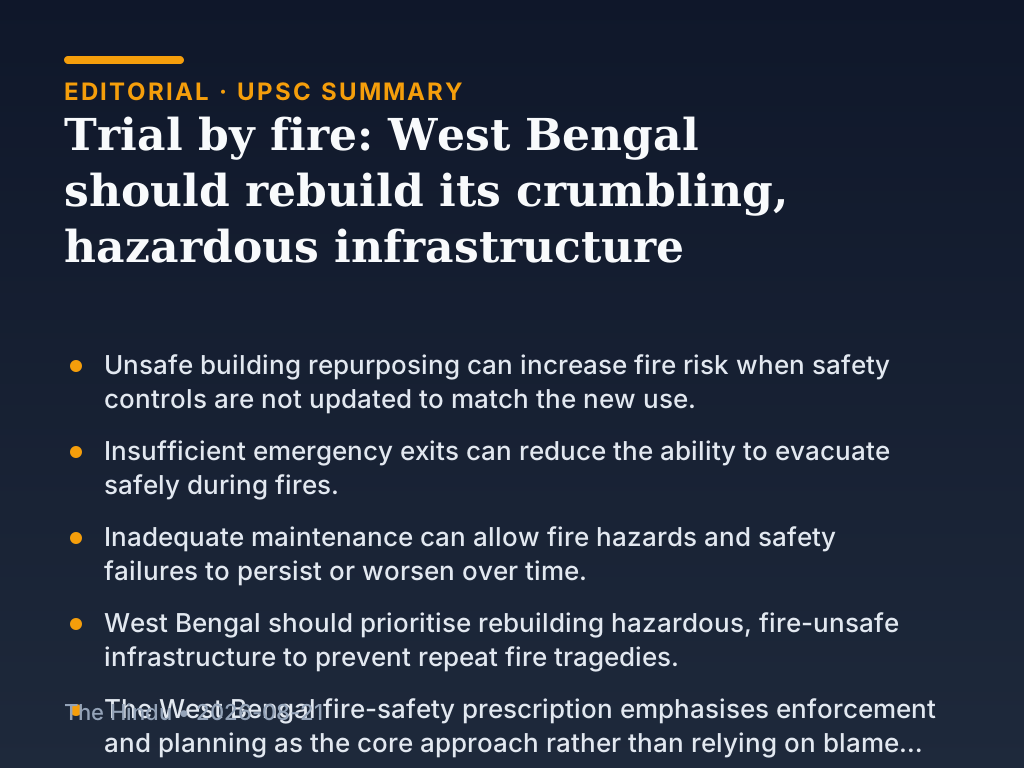
What happened: fire tragedies are treated as outcomes of unsafe infrastructure and weak compliance
The West Bengal fire-safety argument treats repeat fire deaths as preventable outcomes of unsafe buildings and weak compliance. The action focus is rebuilding hazardous infrastructure and removing avoidable building-level conditions that increase fire spread and reduce evacuation safety.
Background: building risk drivers—unsafe repurposing, exit inadequacy, and poor maintenance
The argument highlights three building-level risk drivers: unsafe building repurposing (mismatch between building use and safety controls), insufficient emergency exits (evacuation routes that are too few or unusable), and inadequate maintenance (fire-safety systems not kept functional through time).
What changed now: move from blame to enforcement-led prevention
The West Bengal prescription emphasises a shift from blame-based explanations toward pre-incident prevention. West Bengal should rebuild hazardous infrastructure and strengthen enforcement and planning so that emergency exits and safety features align with how buildings are actually used.
Related current affairs
- What is it with West Bengal and fires?
- Amount approved by Maharashtra to install fire alarm systems (NEWS IN NUMBERS)
- Kolkata blaze kills 9; at least 5 victims from Bangladesh
- Indian Railways: Multi-layer fire safety measures for stations and coaches; preparedness and mock drills
- South Japan celebrates landmark AEOI after quake and tsunami risk reminders
- Fire, PWD, I-T: For a month now, govt notices to Jauhar University