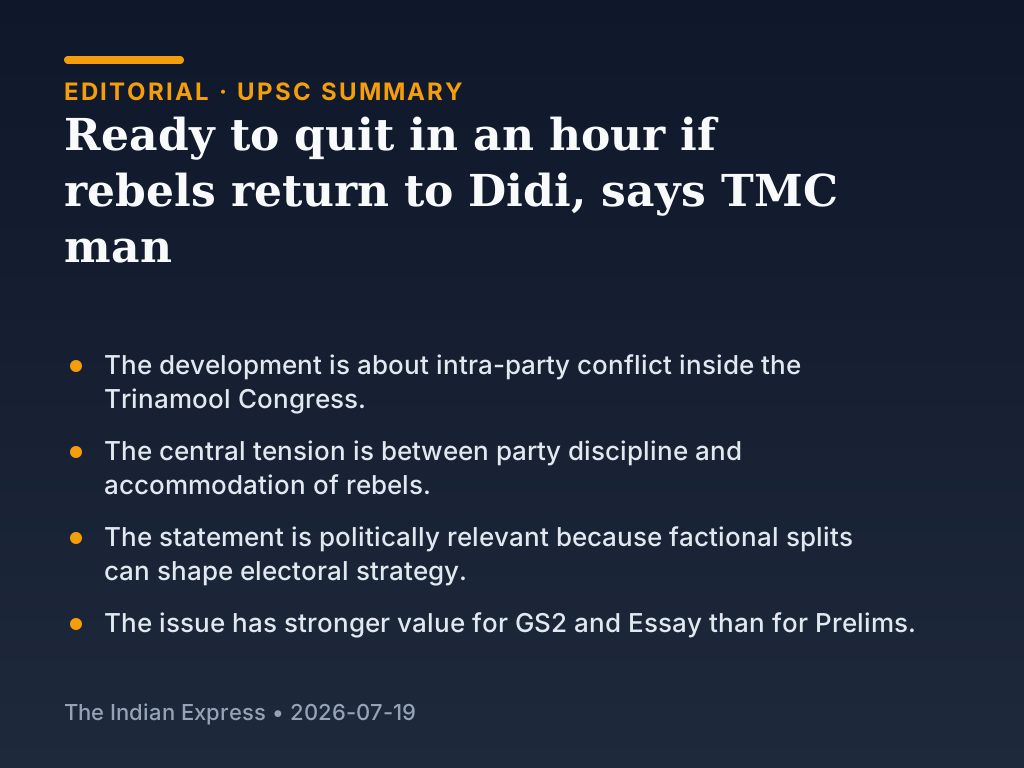
A Trinamool Congress lawmaker has said he is ready to resign within an hour if the party leadership takes back rebels into the organisation. The statement is politically important because it exposes tension inside the Trinamool Congress and shows how local leaders can become vulnerable when party discipline weakens.
The Indian Express treats the remark as a sign of a larger problem: factional rivalry inside a major state party. The immediate issue is not only one leader’s threat to resign but also the wider struggle over loyalty, control, and the handling of dissent before electoral politics intensify.
Why the issue matters for UPSC
Related current affairs
- Will resign if rebel leaders return to Didi: Abhishek
- Will resign if rebels return to Didi: Abhishek
- How ritual for ‘bountiful’ rain has given BRS a chance to target Telangana CM
- Approach to delimitation
- Mamata faces protests during visit to house of deceased party worker
- Delimitation may be less attractive for BJP now