Beyond weight loss: how GLP-1s can affect your skin, hair and nails
GLP-1 prescription medicines used for obesity and type 2 diabetes can change skin, hair, and nails through rapid weight loss, metabolic shifts, and nutritional stress.
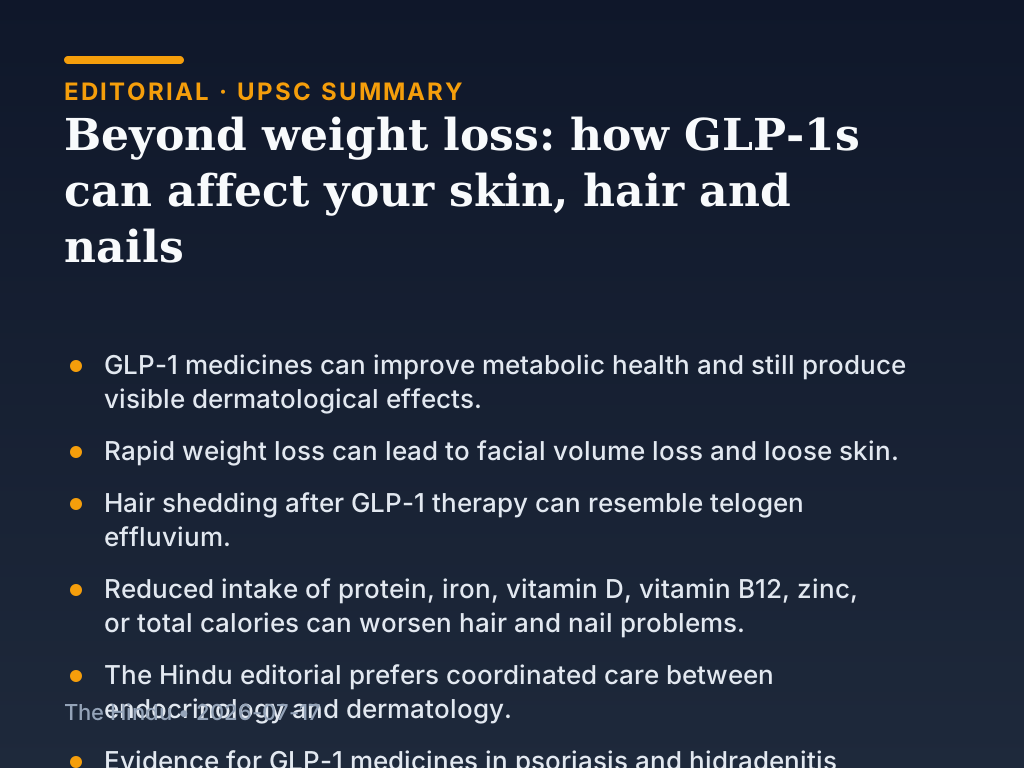
- GLP-1-based prescription medicines are used for obesity and type 2 diabetes and can produce visible changes in skin, hair, and nails.
- Rapid weight loss can cause facial volume loss, loose skin, and hair shedding resembling telogen effluvium.
- Skin folds can become sites of sweating, friction, itching, pigmentation, intertrigo, and fungal or bacterial irritation in humid conditions.
- Reduced intake of protein, iron, vitamin D, vitamin B12, zinc, or total calories can contribute to hair shedding and nail changes.
GLP-1-based prescription medicines used for obesity and type 2 diabetes can improve metabolic health, but they can also produce visible changes in the skin, hair, and nails. The Hindu editorial argues that these changes are usually not dangerous, yet they matter because they can affect comfort, quality of life, and sometimes signal nutritional deficiency or another condition that needs medical attention.
What happened
The Hindu editorial describes a growing clinical discussion around GLP-1 medicines and their dermatological effects. It links visible changes to rapid weight loss, metabolic shifts, and reduced intake of protein and micronutrients.
UPSC may frame GLP-1 medicines as a health-policy and science topic: what these drugs do, why rapid weight loss can cause hair, skin, and nail changes, and why coordinated care between endocrinology and dermatology matters.