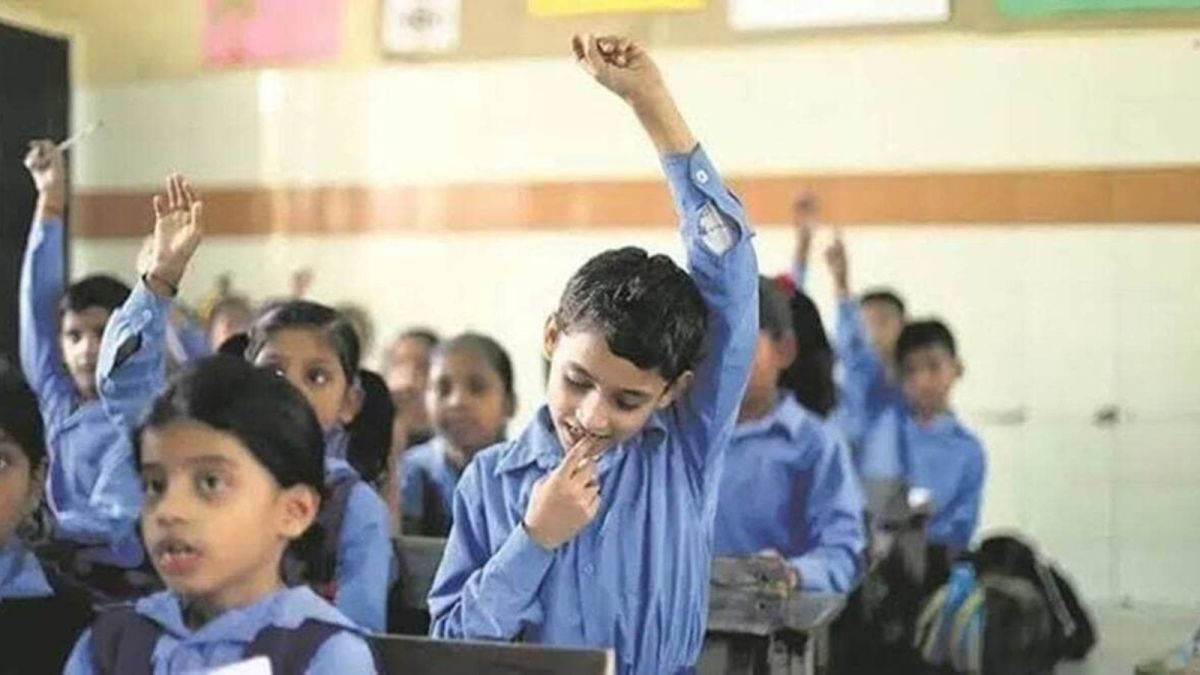
The Supreme Court orally observed in hearings on petitions concerning Navodaya schools in Tamil Nadu that a third language should begin in Class 6 if it is to be taught at all. The observation matters because it connects school curriculum design with the wider dispute over the three-language formula, State autonomy in education, and student workload before board examinations.
What happened now
In the hearing, Justice B.V. Nagarathna orally urged the Union government not to introduce a third language in Class 9, saying that it would add avoidable stress for children near the board-exam stage. The suggestion was that a third language, if included, should start in Class 6 and continue only up to Class 9.
The bench also noted that Hindi is not mandatory under the three-language scheme and that Tamil Nadu could preserve its own education system while still allowing students to opt for Navodaya schools.
Background and earlier position
Navodaya Vidyalayas are intended as centrally supported residential schools, and language policy in such schools often becomes a federalism issue because school education involves both Union and State interests.
Related current affairs
- Ease three-language rule for Class 6, SC tells CBSE
- STATE OF PLAY: T.N.’s trouble in the hills; SC has pulled up the State over ‘encroachers’ in Agasthyamalai
- Maintain status quo on water release, says Cauvery body
- SC judge flags Class 9 stress, suggests third language from Class 6
- With poor rain, Cauvery panel to wait and watch
- Supreme Court statement says allegations against sitting judge must follow institutional mechanism