What happened
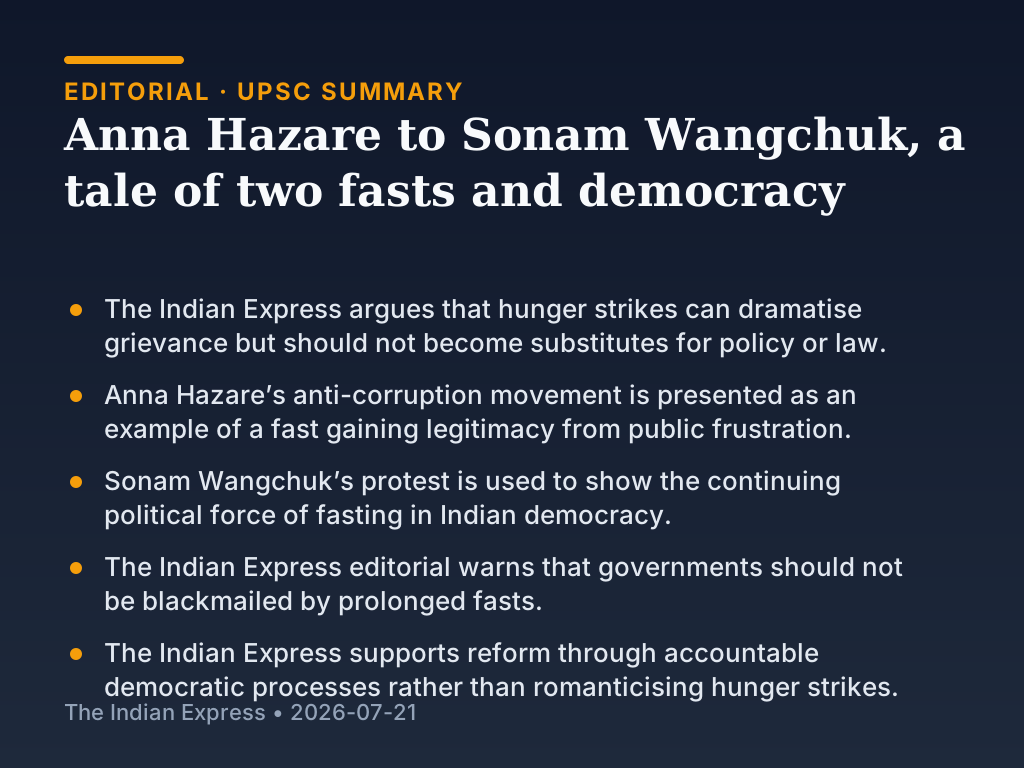
The Indian Express editorial compares Anna Hazare’s anti-corruption fast with Sonam Wangchuk’s recent protest. It argues that hunger strikes can turn public grievance into visible political pressure, but they also become problematic when they start functioning as coercion rather than moral appeal.
Background and earlier position
India has a long tradition of non-violent protest and civil disobedience. Anna Hazare’s campaign gained national traction because it channelled widespread frustration with corruption and governance failures into a single, highly visible movement.
Related current affairs
- Why so selective on paper leaks, Nadda asks Rahul
- Letters to the Editor: A response/point by Sapna Sankaran and Aarti Venkataraman (on protests/governance)
- Sikimkin
- Opponites (caption/column heading)
- INSIDE | Brief: interim development(s) related to hunger strike / politics
- Public/legal notices block (including business/department registration and police/tender notices)