Can’t have sabka vishwas without tear gas and lathi
Critique of coercive enforcement in the name of inclusive compliance and regularisation
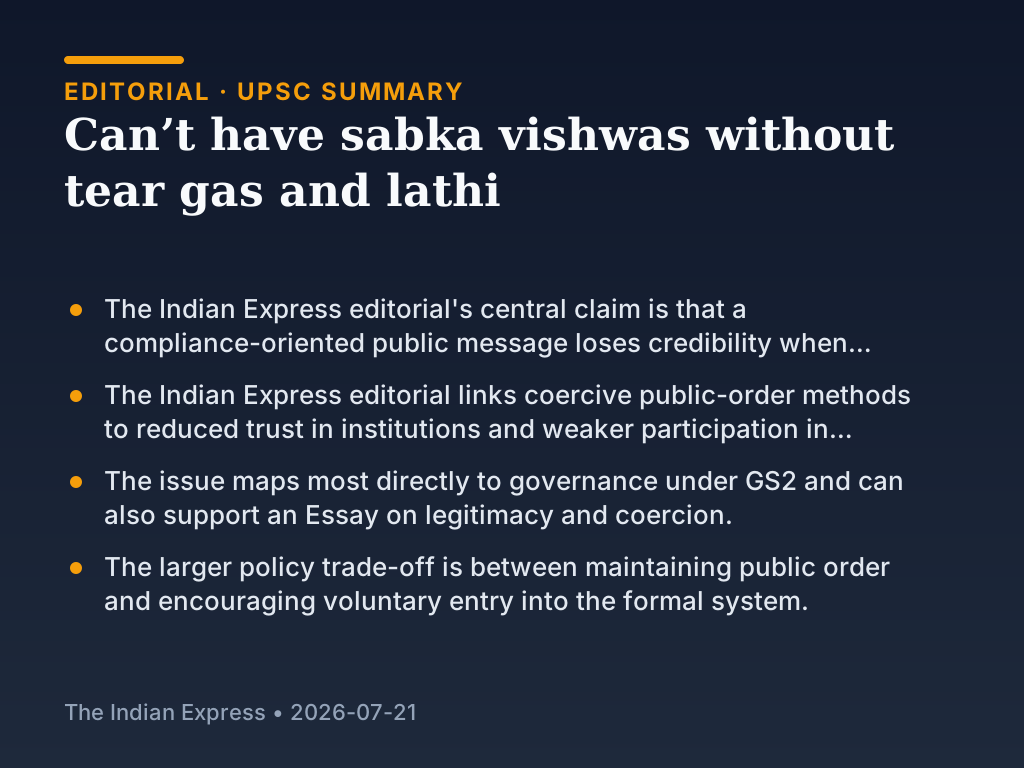
- The Indian Express editorial argues that a government message of inclusive compliance becomes weaker when authorities use tear gas and lathi charges for enforcement.
- Coercive enforcement can reduce trust in institutions and discourage participation in lawful amnesty or regularisation processes.
The Indian Express editorial argues that a government cannot credibly ask for inclusive compliance, or sabka vishwas, while enforcing public order through tear gas and lathi charges. The core concern is governance: the State may want people to enter lawful amnesty or regularisation processes, but coercive handling of the public can damage trust and reduce participation.
Inclusive compliance depends on trust, predictability, and a sense of fairness. A policy that seeks to bring people into the formal system loses legitimacy when enforcement appears violent or intimidating, even if the policy intent is sound.
Why this matters for UPSC
UPSC can frame this as a governance question on whether a state can expand lawful compliance and regularisation while using coercive crowd-control measures. The issue fits GS2 through public order, legitimacy, and participatory governance.