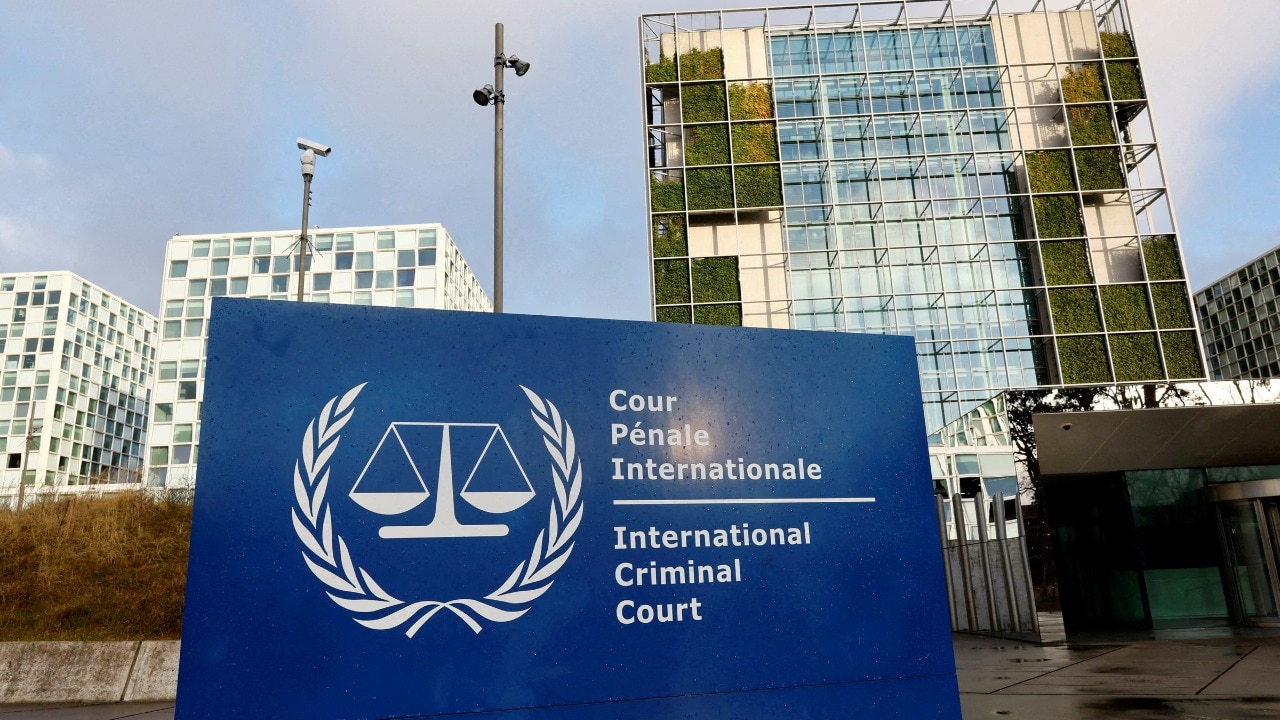
Donald Trump has indicated that Israeli Prime Minister Benjamin Netanyahu would not be arrested if he travelled to the United States. The statement is politically significant because it signals U.S. protection for an ally even as the International Criminal Court (ICC) has taken action against Netanyahu.
The development is important for UPSC because it links international criminal law, strategic diplomacy, and the limits of enforcement against senior political leaders. It also raises the wider question of how major powers respond when multilateral legal institutions act against close partners.
Background and earlier position
The ICC is the permanent international court that prosecutes serious crimes such as genocide, crimes against humanity, war crimes, and aggression. In practice, the court depends on state cooperation for arrest and surrender of accused persons, which means political support from powerful states can affect enforcement even when legal proceedings exist.
Israel is not a state party to the Rome Statute, the treaty that created the ICC. The United States has also historically maintained a difficult relationship with the ICC, especially when Washington believes the court may affect U.S. or allied strategic interests.
What changed now
Related current affairs
- Trump dismisses Mamdani’s threat to arrest Netanyahu in New York
- Mamdani says NYC cannot arrest Netanyahu, urges federal govt. to act
- Hind Rajab’s family says Israel’s probe attempt to ‘justify’ killing
- Iran must compensate for those it has killed and wounded
- Do not write the obituary of international law yet
- Pak ex-minister, held in UK in sexual assault case, now on bail, wins in PoK