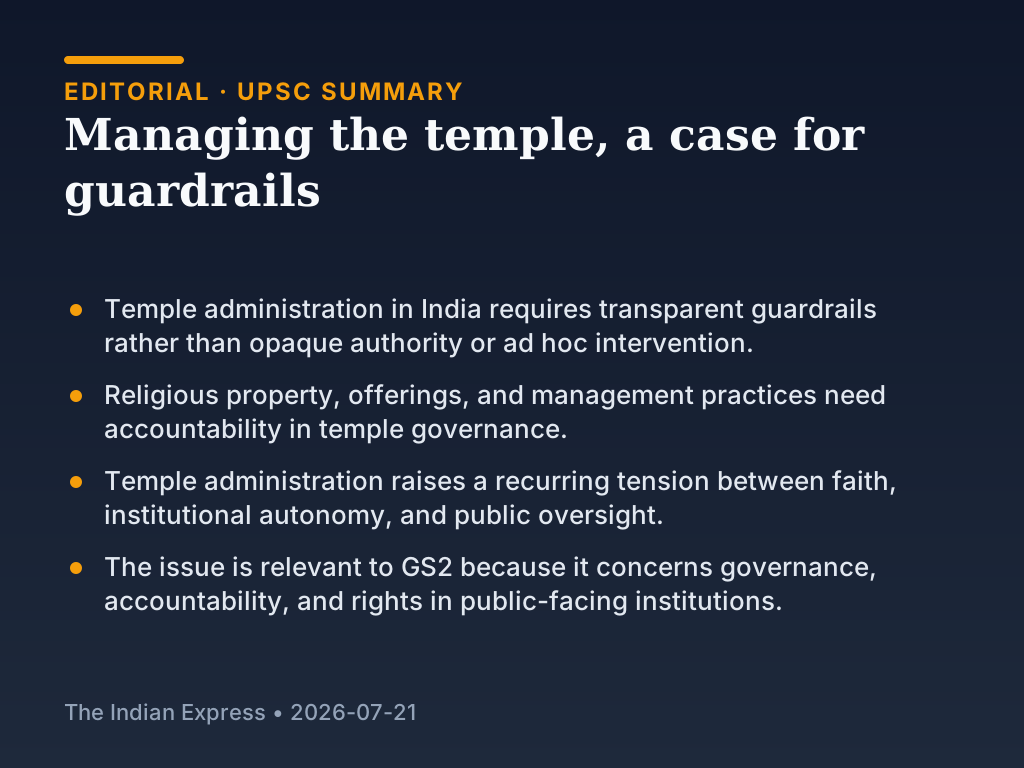
Temple administration in India needs transparent guardrails rather than opaque authority or ad hoc intervention. Religious property, offerings, and management practices require clearer rules so that accountability improves and conflict declines.
The issue sits at the intersection of faith, institutional autonomy, and public oversight. Major temples that function as public-facing institutions need norms that protect devotees' interests while limiting arbitrary control.
Related current affairs
- A slew of temple boards chaos management by governments
- Trust forms 9-member panel to run religious affairs, to review temple setup
- If we suspect a Karnataka doctor is killed, no one should hold back: T Srinivasa Kumar
- Express special: Now, from a Rajasthan village, a familiar question: ‘If all acquitted, who killed 5 Dalits?’
- Privilege Goyal
- New NBFC-UL list soon, Govt, Indian Statistical Institute faculty spar over new Bill, autonomy