What happened
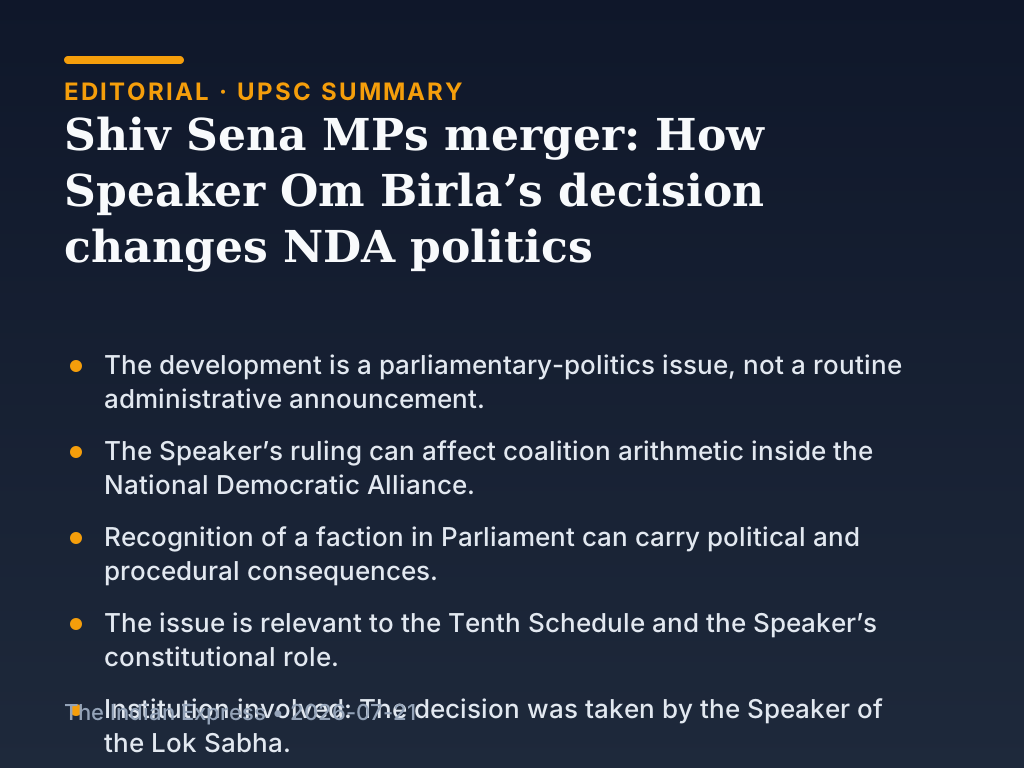
Speaker Om Birla’s decision on the merger involving Shiv Sena MPs changes the internal balance within the National Democratic Alliance in Parliament. The ruling matters because parliamentary recognition can alter which faction is treated as the stronger organisational unit and can influence bargaining power inside an alliance.
Background and earlier position
Shiv Sena politics has long involved factional competition over the party’s formal identity and parliamentary strength. In Parliament, recognition of a group or faction is not only procedural; it can also shape access to institutional advantages and alliance negotiations.
What changed now
The Speaker’s decision gives a clearer parliamentary position to the merged Shiv Sena MPs faction. That shift can affect seating, recognition, and the perception of numerical strength within the National Democratic Alliance.
Related current affairs
- Speaker okays merger of 6 Shiv Sena (UBT) MPs
- Birla approves six Sena (UBT) MPs’ merger with Shiv Sena
- Speaker clears merger of six Sena UBT MPs with Shinde Sena, separate seating for TMC rebels
- Will have to see if there was split in Shiv Sena: SC
- SC seeks Centre’s reply on Sibal plea over Tenth Schedule interpretation
- SC seeks Centre’s reply on plea over anti-defection law ‘merger’ exception