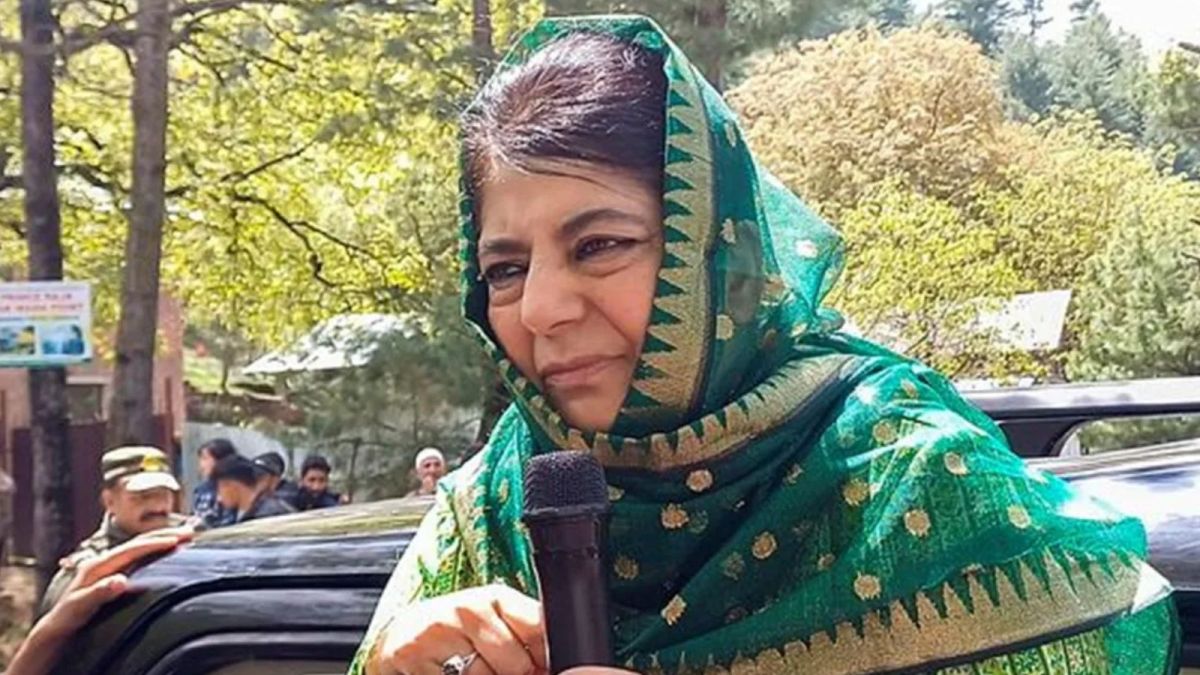
The People’s Democratic Party has linked its support for a National Conference-led protest in Delhi to a wider political agenda on Jammu and Kashmir. The dispute is not about statehood alone; the People’s Democratic Party wants the protest to also include restoration of Article 370 and the release of political prisoners.
The National Conference has planned the protest for 20 July in Delhi and has placed statehood for Jammu and Kashmir at the centre of the mobilisation. The People’s Democratic Party’s conditional stance shows that political parties in Jammu and Kashmir remain divided on the scope of the protest agenda even when they share the broader demand for greater constitutional status.
The issue sits within a longer constitutional context. Jammu and Kashmir lost its special constitutional status in 2019, and the demand for the restoration of statehood has since become a recurring political and legal question in Indian federalism.
Why the development matters for UPSC
The development is important because it connects a live political protest to core GS2 themes: constitutional provisions, federalism, Centre-State relations, democratic rights, and political negotiation in conflict-affected regions. It also offers a direct revision link to the status of Jammu and Kashmir after 2019 and the continuing debate over political reconciliation.
Key facts for Prelims
Related current affairs
- ‘Not just Statehood’: PDP chief lists conditions for joining NC’s Delhi protest
- 'Not just Statehood': PDP chief lists conditions for joining NC's Delhi protest
- Promise unfulfilled: NC stages stir in Delhi for J&K statehood
- Parties stage protests across J&K on anniversary of Article 370 dilution
- Ruling out Art. 370 is like CM Omar pouring acid on hopes of J&K people
- PDP sets terms for joining NC protest in Delhi