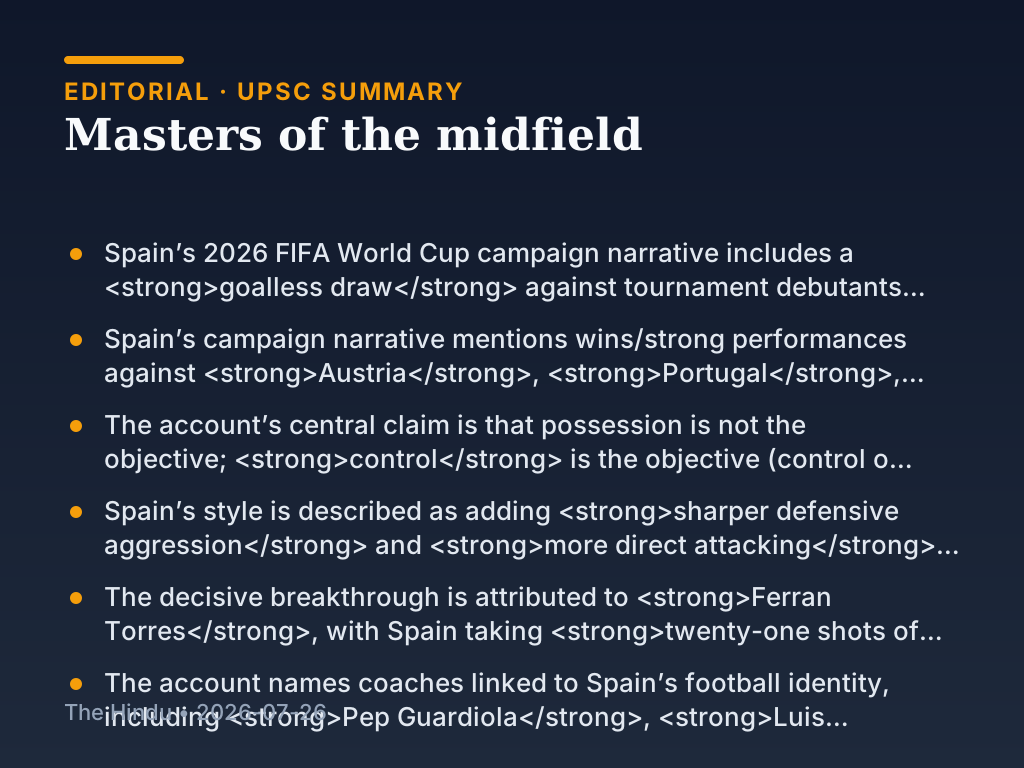
Spain’s 2026 FIFA World Cup winning team is described as evolving beyond the rigid 2010 “tiki-taka” template while keeping technical control as the base.
GS1The HinduGS1Sports (Football)Mega eventsSpain national team
What happened: Spain’s 2026 World Cup “evolution” narrative
Spain’s 2026 FIFA World Cup winning team is presented as a team that succeeded by evolving beyond the rigid template associated with Spain’s famed 2010 “tiki-taka” generation. The tournament is framed as a contrast between expectations created by past success and the reality of a more adaptable Spain—still grounded in technique and ball control, but with sharper defensive aggression, more direct attacking when needed, and clearer decision-making.
Spain’s path in the tournament (as described) — results and match feel
Spain’s campaign is sketched through key moments and opponents. The narrative highlights both early doubts and later composure.
Key tournament moments mentioned in the account include:
- Spain’s tournament start featured a goalless draw against tournament debutants Cape Verde, which triggered doubts about Spain’s credentials.