Indian Monsoon: a democratic tipping point
India’s democratic public life is being tested by large protests over examination fairness and by wider concerns about education credibility, jobs, inequality, and institutional trust.
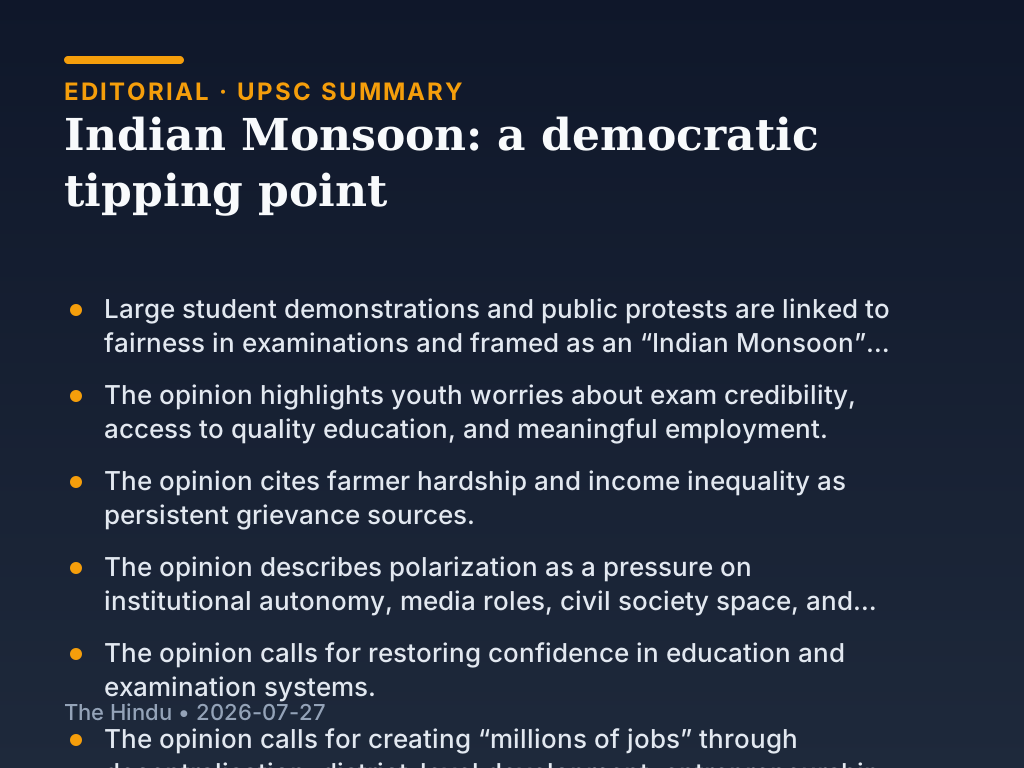
- Fair exam outcomes matter for public trust; when exam credibility falls, students may protest for rechecks, transparency, and equal access.
- Worry about meaningful employment grows when students see weak education quality and skills mismatch with jobs.
- Farmer hardship and economic inequality can weaken trust in institutions and widen anger in the public sphere.
- Polarization can pressure institutional autonomy and degrade the quality of democratic debate, including media and civil society roles.
What happened: democratic pressure expressed through protests over exam fairness
An opinion piece in The Hindu frames India’s current democratic moment as an “Indian Monsoon”. The opinion connects large student demonstrations and wider public protests to fairness in examinations and treats these protests as an expression of public aspirations and frustrations through democratic action.
Background and earlier position: development progress is acknowledged, but youth worries persist
UPSC can frame this theme through constitutional morality (governing in line with constitutional values) and governance quality (public trust in institutions). Examination fairness becomes a legitimacy issue because it shapes whether citizens view education pathways and public systems as fair and dependable—especially as AI-era governance changes work and administration.