What happened: the challenge to “immunity” from accountability
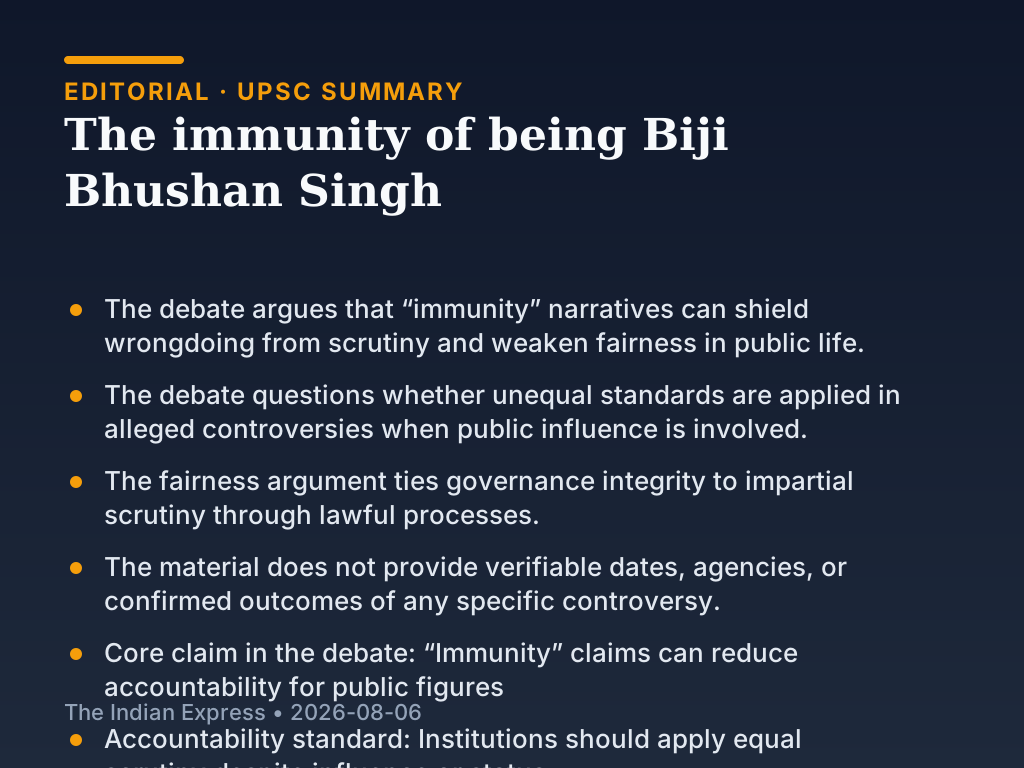
A public debate challenges a common political narrative: the claim that a public figure has “immunity,” meaning protection from accountability and scrutiny in alleged controversies. The core concern is not merely whether allegations are true, but whether institutions apply fair and consistent standards when influence or status is used to avoid scrutiny. The debate argues that such “immunity” or impunity undermines fairness in public life.
Background and earlier position: why accountability norms matter
In public administration and ethics, accountability means that public functionaries can be questioned and held answerable through lawful processes when conduct is alleged to be improper or unlawful. Rule of law expectations require that similar standards apply across cases, regardless of a person’s rank, visibility, or political connections. When a public figure is treated as beyond scrutiny, citizens lose confidence that governance decisions and conduct are governed by rules rather than status.
What changed now: the dispute is framed as a governance fairness issue
The current debate shifts emphasis toward the standards used in alleged controversies. It questions whether influence is being treated as a substitute for due process—either by discouraging scrutiny, weakening oversight, or tolerating unequal treatment. The argument links “immunity” claims to a larger governance risk: impunity that makes public life less fair and less predictable.