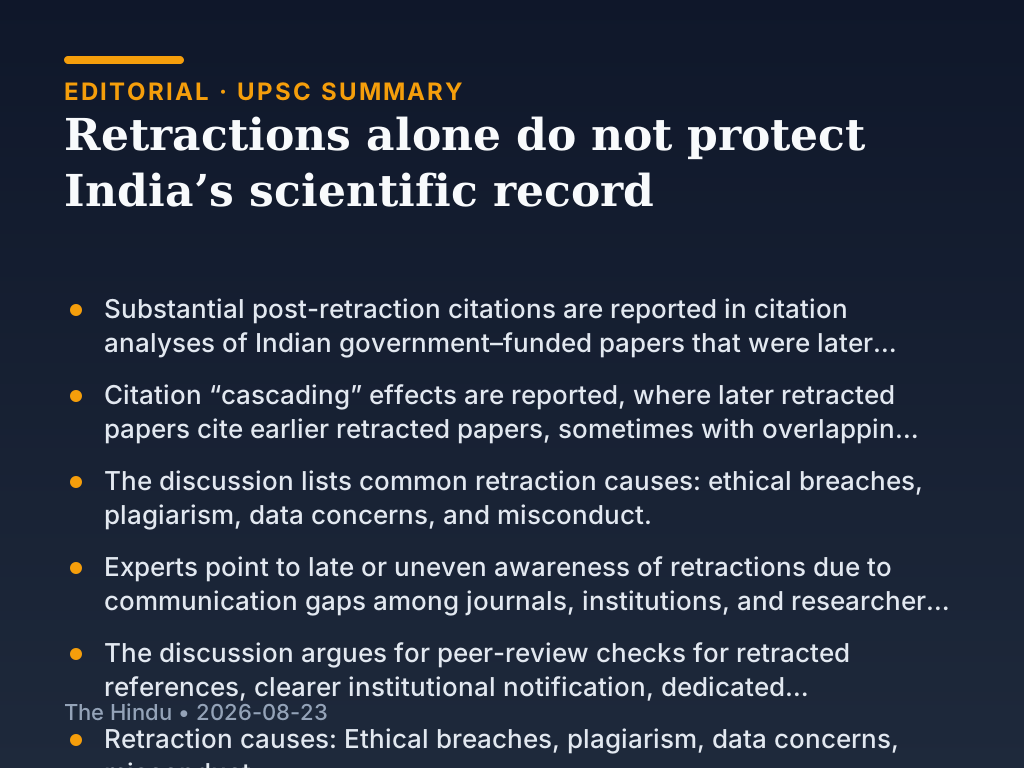
Retractions alone do not protect India’s scientific record
Concerns are growing that retraction of flawed scientific papers often fails to fully correct India’s scientific record because citations and downstream use continue after retraction.
GS3GS2The HinduGS3Research integrityScientific misconduct and retractionsResponsible citation practices
What happened: retractions are necessary, but not sufficient to fix the scientific record
A discussion on research integrity argues that retracting flawed scientific papers does not automatically correct the scientific record. Even after retraction, incorrect work often remains cited and can be used as a base for later studies, patents, and policy-adjacent claims.
Key patterns highlighted in the discussion include:
- Retractions across decades are rising, but correction of downstream use does not keep pace with retraction announcements.
- Research on the causes of retraction points repeatedly to issues such as ethical breaches, plagiarism, data concerns, and misconduct.
- Citation analyses of Indian government–funded papers that were later retracted show a substantial share of citations occurred after the retraction date.