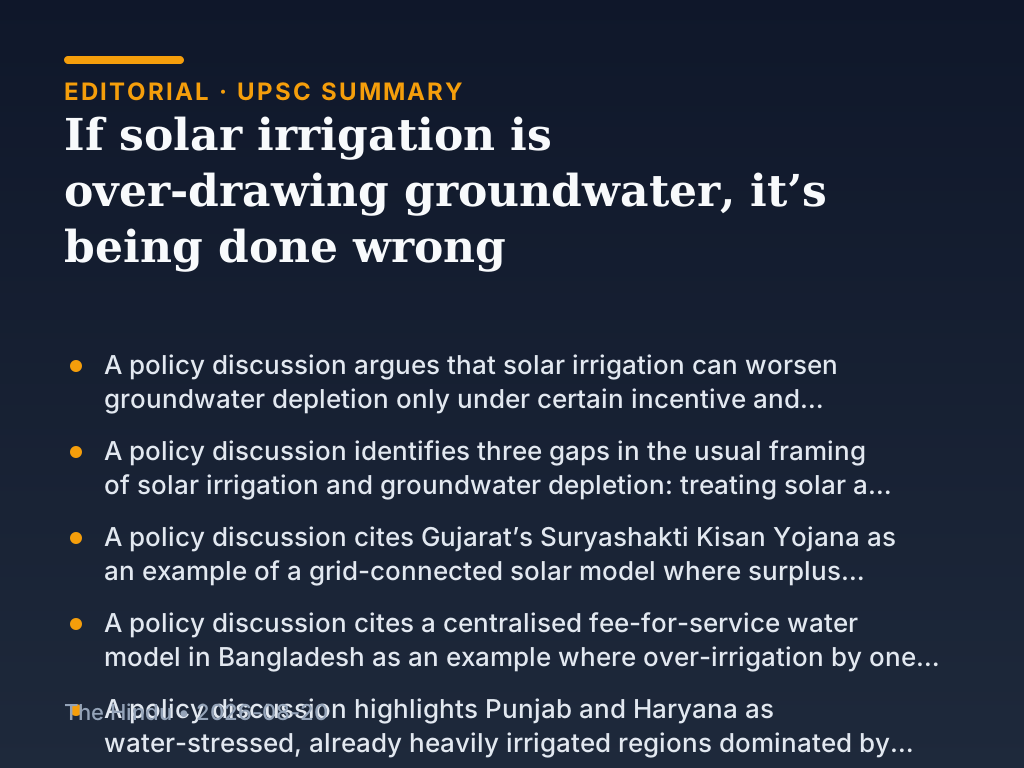
Solar irrigation expansion in India through PM-KUSUM and the upcoming PM-KUSUM 2.0 needs careful groundwater safeguards. A common argument links cheaper solar electricity to uncontrolled pumping and worse groundwater depletion. A more incentive- and context-based view argues that groundwater outcomes depend on the exact solar irrigation model, the local aquifer and crop context, and the rules that shape farmers’ pumping decisions.
What happened (policy debate focus and the core claim)
A policy discussion argues that mainstream debates often assume solar irrigation will always worsen groundwater depletion. A counter-position within the same policy discussion is that the same solar technology can produce different outcomes when ownership, energy pricing, and water governance differ.
Background and earlier position (why solar is often linked to depletion)
Solar irrigation is typically seen as replacing diesel or other forms of energy with cheaper electricity. When electricity becomes cheaper, farmers may pump more water, and groundwater levels can fall. This logic can lead to a simplified conclusion that solar irrigation automatically increases pumping and accelerates depletion.
What changed now (what the discussion adds to the framing)
Related current affairs
- India Hosts Eighth BRICS Youth Energy Summit 2026 under BRICS Chairship
- PM chairs high-level meeting of Secretaries to review progress towards Viksit Bharat in rural development, agriculture and social welfare
- Pradhan Mantri Krishi Sinchayee Yojana (PMKSY) – irrigation-led transformation and water-efficient farming