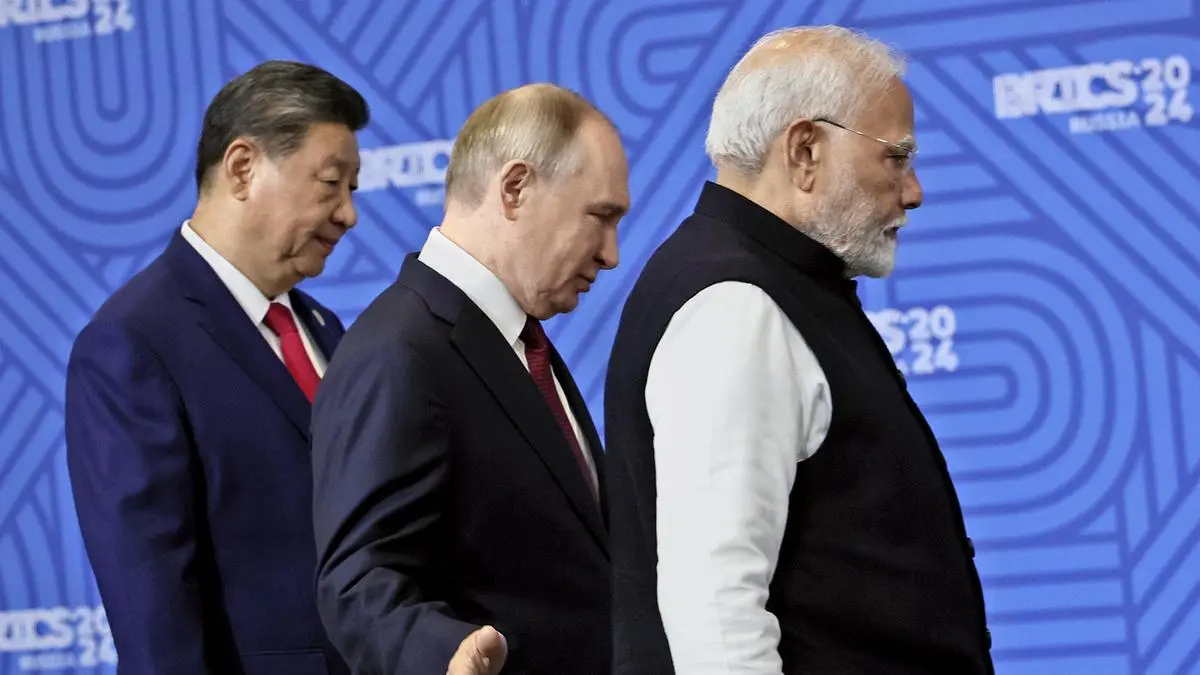
External Affairs Minister S. Jaishankar said stable and cooperative India-China ties can help build a multipolar Asia and a multipolar world. He linked that outcome to mutual respect, mutual interest, and mutual sensitivity, and said peace and tranquillity on the border remain necessary for normal ties.
The statement matters because India-China relations are a core GS2 foreign-policy issue with direct border-security and regional-order implications. The same diplomatic circuit also involved India’s wider engagement with the Quad and Russia, showing how India manages multiple strategic relationships at the same time.
What changed now
S. Jaishankar welcomed recent practical steps in India-China ties. These included resumed flights, visa changes, the Kailash Manasarovar Yatra, and border trade. The emphasis was on limited normalisation after a period in which border tensions had constrained the wider relationship.
S. Jaishankar also raised concerns about supply-chain predictability and fair market access. These concerns point to the economic side of India-China ties, where trade and connectivity remain important but trust and reciprocity remain unresolved.
Wider diplomatic context
Related current affairs
- Doval heads to China with an eye on Xi Jinping’s visit
- Unimpeded trade needs IPMDA as the answer
- China calls Arunachal Pradesh illegal: China
- How a drone 'hellscape' might stop a Chinese invasion of Taiwan
- Russian drone factory director hurt in car blast
- India getting ready for Xi, Putin visits in September