What happened (the core concern raised)
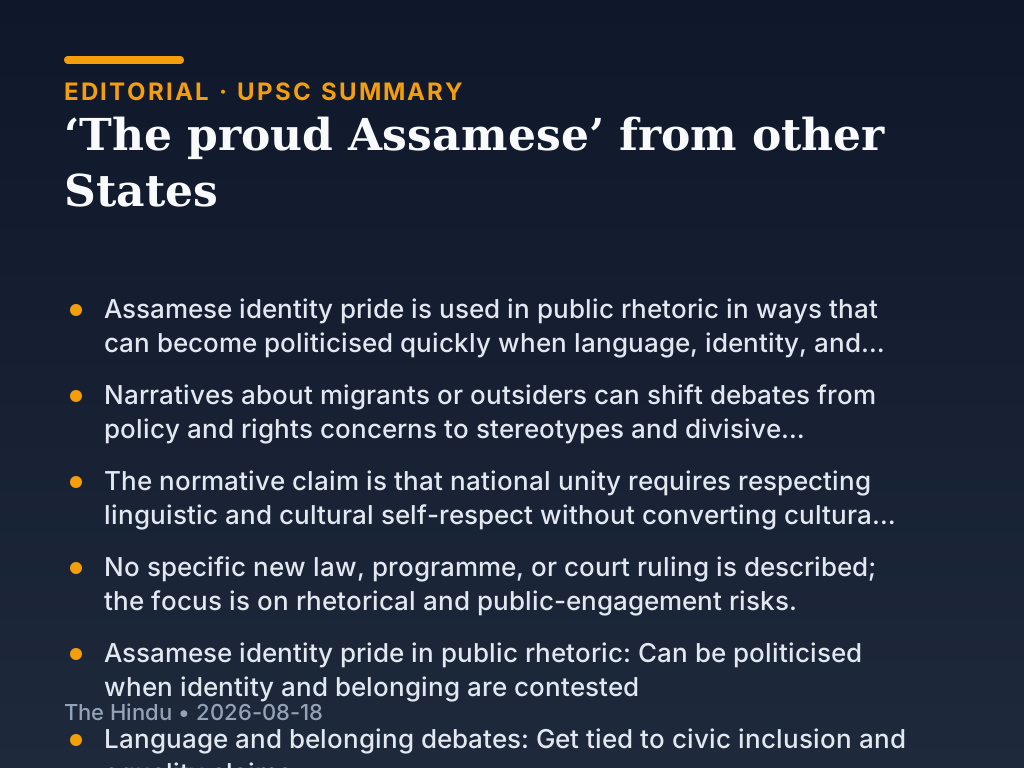
An opinion piece highlights how Assamese identity pride is being used in public rhetoric and inter-state perceptions. The discussion warns that narratives about migrants or outsiders can become politicised quickly when language, identity, and belonging are contested. The core concern is that cultural pride can be used to frame debates about inclusion and civic equality through rigid insider–outsider boundaries.
Background and earlier position (why such rhetoric appears)
In India’s diverse federal set-up, regional cultural pride often coexists with shared national citizenship. Identity disputes tend to intensify when identity markers—such as language and community affiliation—are treated as proxies for who belongs and who deserves equal civic standing. When identity rhetoric dominates, policy and rights discussions can shift towards stereotypes and divisive messaging.
What changed now (why the current rhetoric matters)
There is no described new legislation, court ruling, or government programme. The change is in emphasis in public debate: Assamese cultural self-respect is linked to inclusion-exclusion framing. The risk flagged is that this linkage can harden negative perceptions about migrants or outsiders and reduce the space for fair, respectful engagement across regions.