Ukraine’s president dismissed the defence chief, and the decision triggered protests and resignations within the military establishment. The episode matters because wartime leadership changes can affect operational continuity, morale, and public confidence in the chain of command.
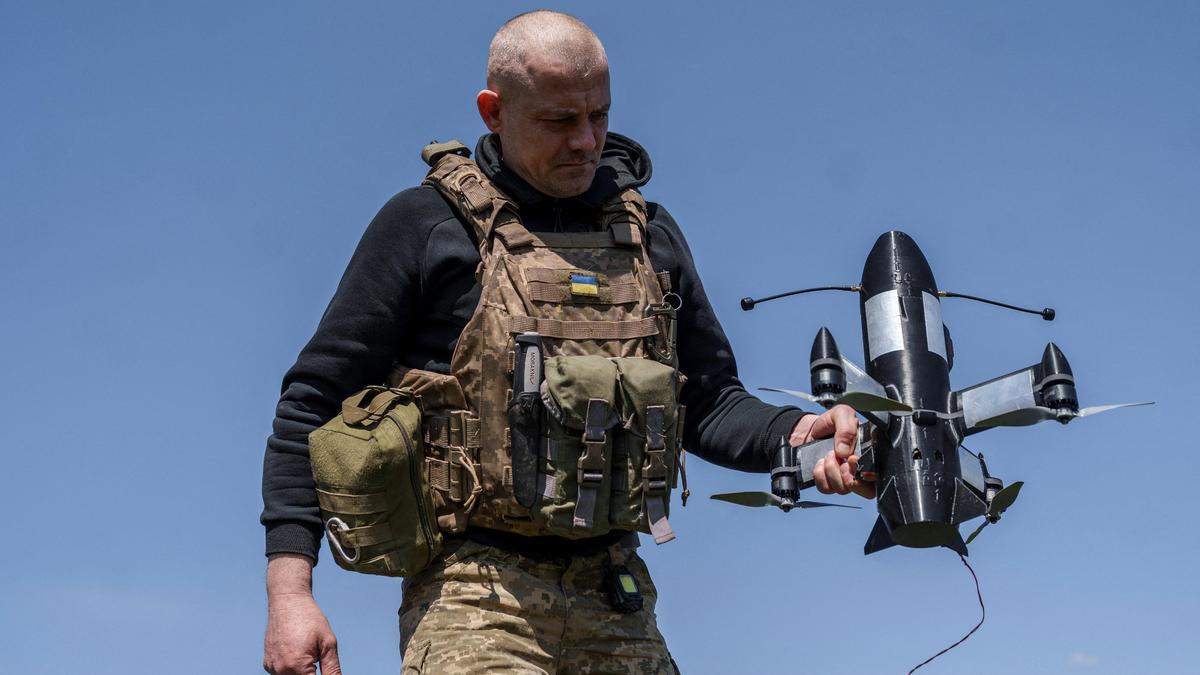
A deputy commander associated with drone warfare also quit in protest. The resignations point to internal disagreement over how Ukraine’s drone capability and broader war effort are being managed.
The reported shake-up comes amid a difficult battlefield situation and rising frustration over the direction of the war effort. Russia’s reaction and the wider impact on Ukraine’s command structure remain important because the Russia-Ukraine war has repeatedly tested civil-military coordination and adaptation to new military technologies.
Related current affairs
- Zelenskyy fires Army chief and names a replacement
- Russian drone strikes kill at least five in Ukraine’s Kherson
- Zelensky dismisses Ukraine’s top general after mass protests
- Zelenskyy dismisses Ukraine’s top general for mass protests
- Russian drones kill 14 people at a mall in a central Ukrainian city
- ERBIL: Iraqi Kurdistan PM’s office targeted in Iranian drone attack, officials say