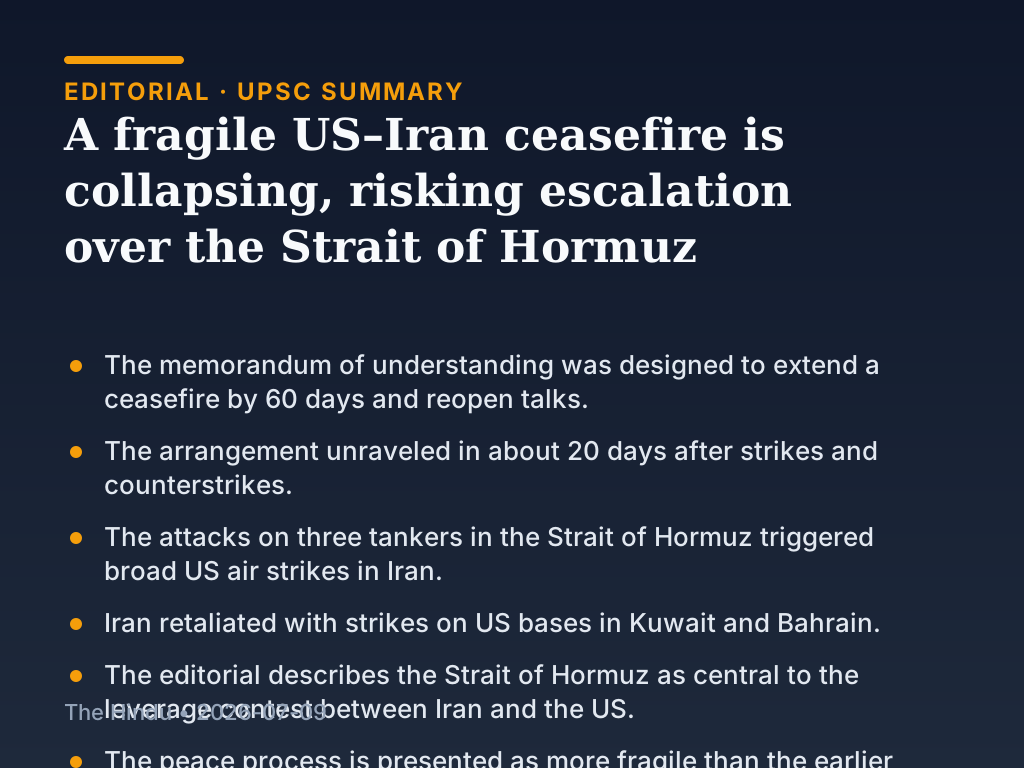
A US–Iran memorandum of understanding intended to extend a ceasefire by 60 days and reopen talks on unresolved issues, including Iran’s nuclear programme, has quickly broken down. The development is significant because it shows how fragile ceasefire frameworks become when core disputes remain unresolved and maritime security is directly hit.
Within about 20 days, the US launched broad air strikes in Iran after attacks on three tankers in the Strait of Hormuz, while Iran retaliated with strikes on US bases in Kuwait and Bahrain. The US president then declared the ceasefire effectively over.
Background and earlier position
The editorial presents the crisis as the most serious challenge to the peace process since the earlier June 17 agreement. It says the MoU was unstable from the beginning because major disputes were left open, especially Iran’s nuclear programme, Israel’s war in Lebanon, access to Iran’s frozen funds, and the status of the Strait of Hormuz.
The piece also links the current breakdown to a broader pattern of mistrust. It argues that both sides entered the arrangement with incompatible expectations, and that unresolved political and security questions were likely to produce further skirmishes.
What changed now
Related current affairs
- Iran attacks West Asian nations after U.S. strikes
- Eyes on the seas
- New Hormuz route agreed, to be managed jointly with Oman: Iran
- Iran says it is halting ‘retaliatory strikes’ (Strait of Hormuz shipping)
- Bridge: Iran’s offensive now targets US allies; damage in Kuwait
- Iran attacks US allies, damages power and water facilities in Kuwait