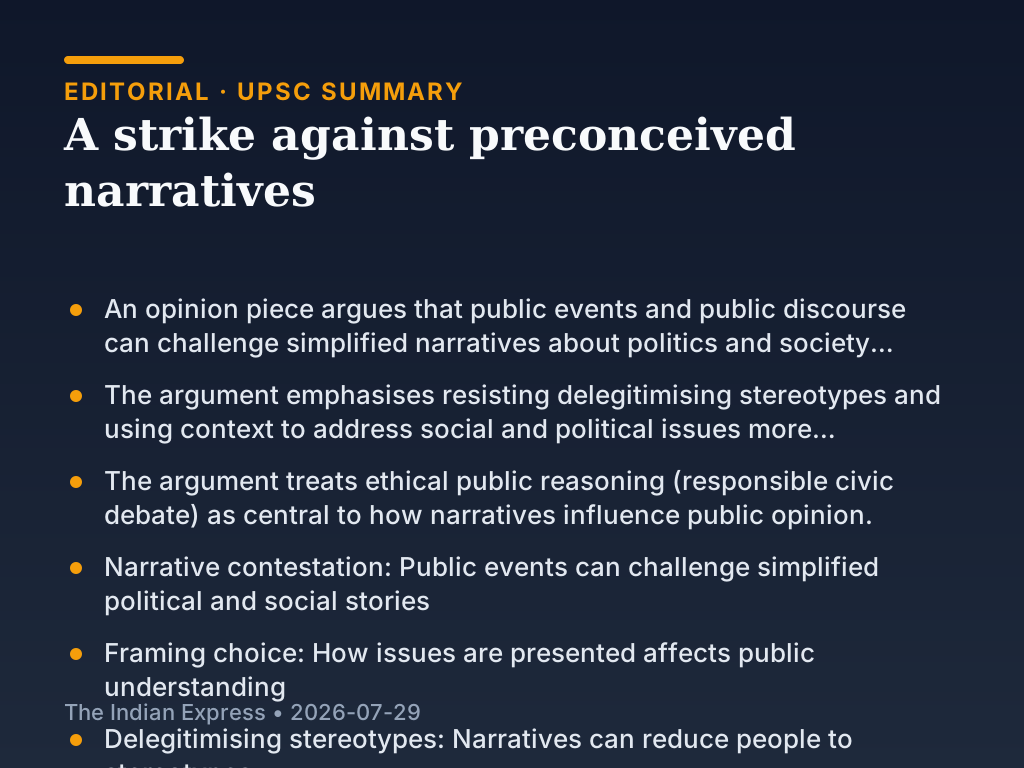
A public debate challenges simplified “pre-judged” narratives about politics and society by questioning delegitimising framings and asking for more contextual understanding.
GS4GS2The Indian ExpressGS4Narratives in politicsPublic discourseFraming and misinformation
What happened (core claim)?
The supplied material argues that politics and society narratives are being contested through public events and public discourse. The intended response targets simplified, pre-judged stories and asks audiences to accept that social reality is more complex than convenient stereotypes.
Background (why narratives become “pre-judged”)
In many debates, ready-made stories can replace fact-checking. When narratives are built on fixed categories, they can shift attention from evidence to character labelling, making disagreement feel illegitimate.