What happened
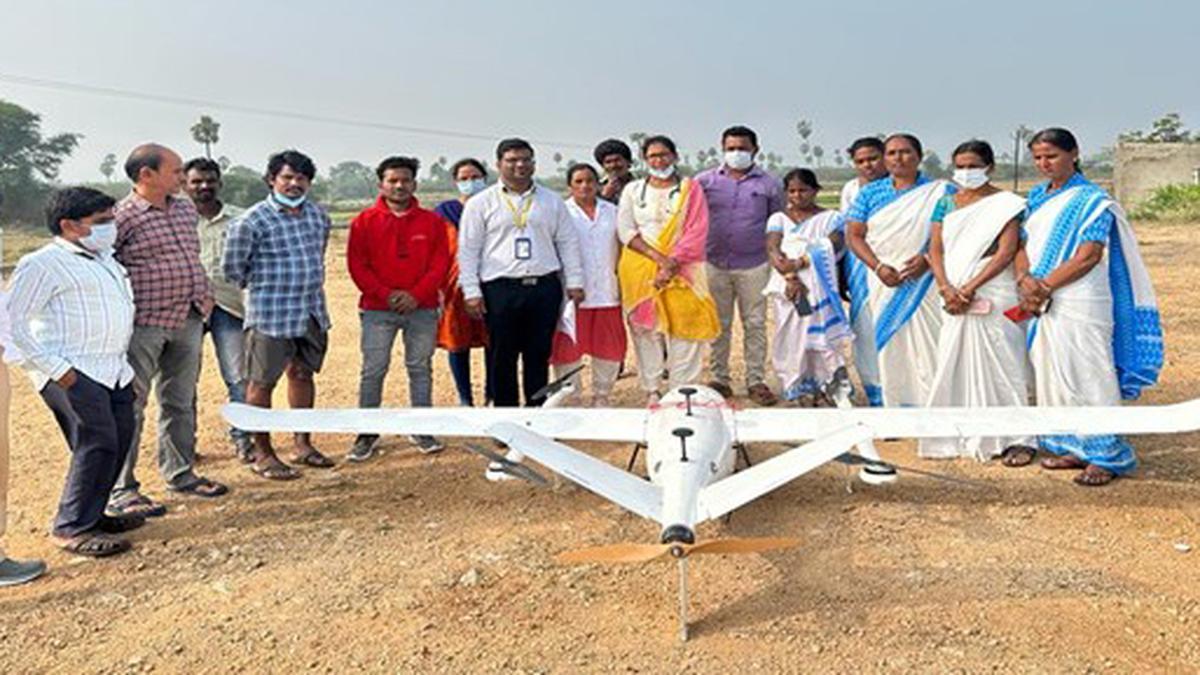
An AIIMS Bibinagar study found that drones used to transport sputum samples for suspected tuberculosis can sharply reduce both diagnosis cost and waiting time in remote villages. The evaluation was part of the ICMR i-DRONE initiative and was published in the International Journal of Tuberculosis and Lung Disease.
The study covered 840 participants in Yadadri Bhuvanagiri district, Telangana. It reported that average out-of-pocket expenditure fell from ₹9,451 before the drone intervention to about ₹90.9 (reported as ₹91) during the drone phase, while diagnosis time fell from about 15 days to five.
How the system worked
Before the intervention, patients from villages located about 10–30 km from diagnostic centres had to travel on poor roads with limited public transport. During the drone phase, patients went to the nearest Primary Health Centre (PHC) or sub-centre, where trained workers collected and packaged sputum samples and drones carried the samples to tuberculosis facilities.
Key reported outcomes
Related current affairs
- Deletions in recent SIRs suggest arbitrary application of reasons (Telangana and Karnataka draft electoral rolls)
- Hyderabad, adjoining ACs drive Telangana’s record SIR deletions
- Liverpool, Telangana eye strategic partnership
- Notices/Counselling and other instructions (small voter-related brief box)
- Govt. committed to ensuring welfare of poor: Vikramarka
- Exceptional craft of a handloom weaver — Letters to the Editor