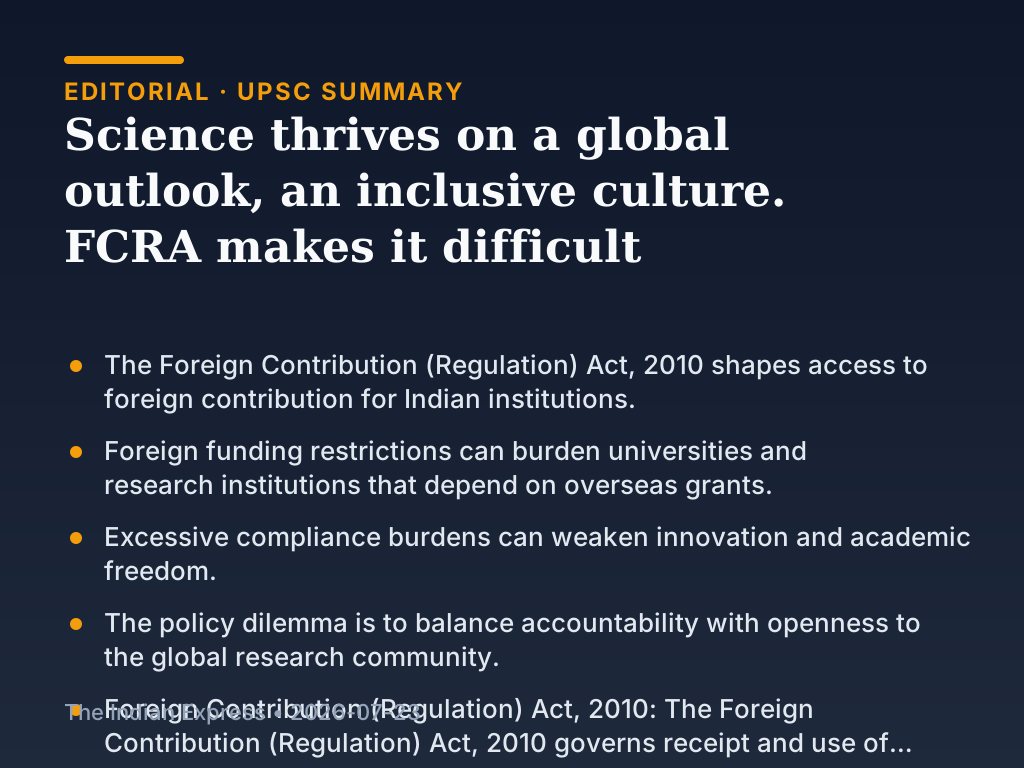
Indian science advances when research institutions remain open to international collaboration and retain an inclusive academic culture. Foreign Contribution (Regulation) Act, 2010 restrictions can make foreign funding, overseas partnerships, and visiting-scholar exchanges harder for Indian universities and research bodies, which can weaken innovation and academic freedom.
The policy question is not whether regulation should exist, but how regulation can preserve accountability without isolating Indian science from the global research community.
Why the issue matters
Foreign funding rules affect the flow of grants, collaborations, and expertise into the higher-education and research ecosystem. For UPSC, the issue links governance, science and technology policy, institutional autonomy, and the design of regulation that supports a knowledge economy.
Background and earlier position
The Foreign Contribution (Regulation) Act, 2010 governs receipt and use of foreign contribution in India. Compliance requirements shape which institutions can receive foreign money and under what conditions, so the law directly affects universities and research organisations that depend on overseas support.
Related current affairs
- BJP, JDU leaders say they will not change education structure
- Department of Higher Education — Public Notice (University/Tumkur Section)
- Kashmir colleges in a fix over ‘objectionable’ books to screen
- Vacant seats (letter to the editor)
- Public/legal notices block (including business/department registration and police/tender notices)
- Research capital: ‘Taxing frivolous industries will not find success’ — Indian academia to face change