Cockroaches have shown what it means to be civic; the country’s moral health depends on it
Public sanitation neglect shown by pest presence is treated as a signal of deeper civic decay, involving municipal enforcement and citizen tolerance of low standards.
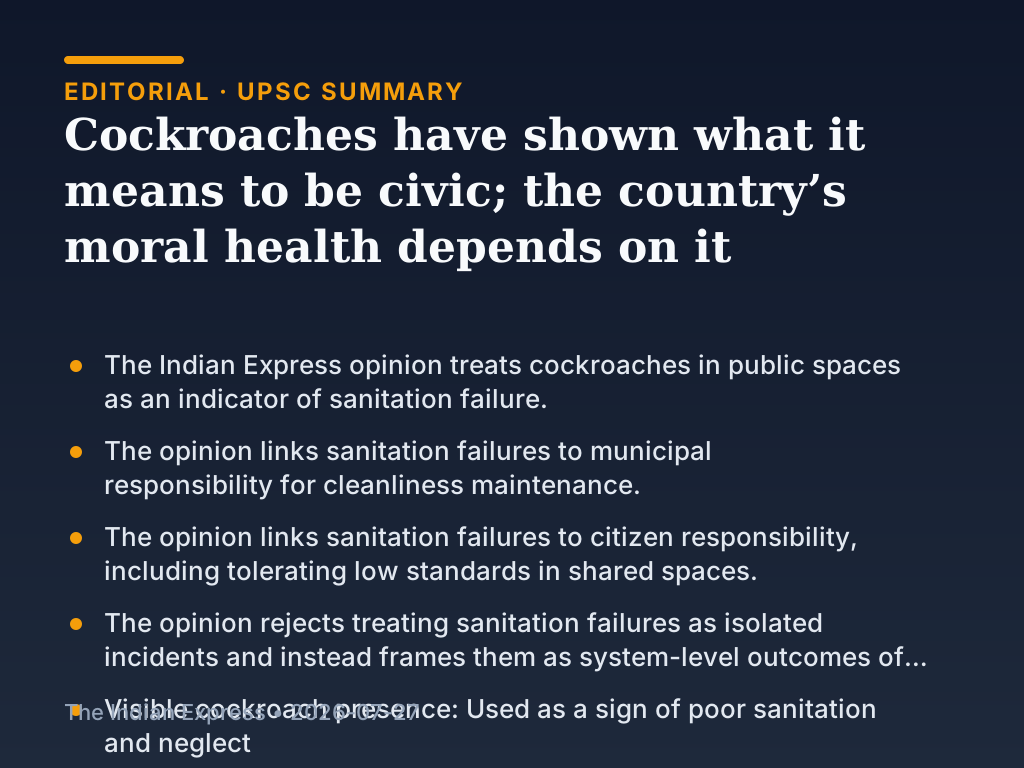
- Urban local bodies typically handle public cleanliness through waste management and maintenance of public facilities.
- Sanitation and basic hygiene in shared public spaces reflect whether city systems enforce basic cleanliness standards.
- Citizen tolerance of visible filth and low standards weakens the incentive for better upkeep in shared areas.
Cockroaches in public spaces are treated as a visible sign of sanitation failure and deeper civic decay. The argument is that hygiene neglect shows up in everyday shared environments when civic standards are not maintained.
What happened: sanitation neglect becomes visible
Cockroaches in public spaces are used as a concrete example of poor public hygiene. Visible filth and neglect in shared areas are portrayed as indicators that public cleanliness standards are not being sustained.
UPSC can use the pest-and-filth indicator to frame answers around municipal service delivery accountability (standards, enforcement, monitoring) and civic responsibility (citizens not normalising neglect).