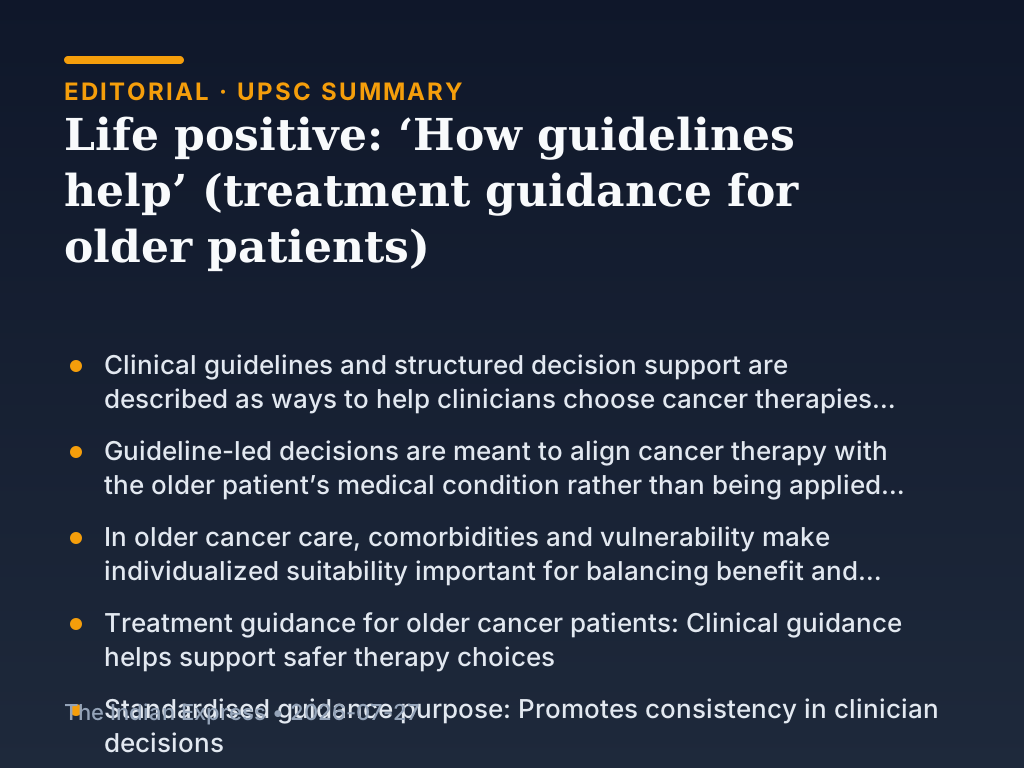
Life positive: ‘How guidelines help’ (treatment guidance for older patients)
Clinical guidelines and structured decision support are presented as tools to help clinicians choose safer cancer treatment options for older patients.
GS1GS2The Indian ExpressGS3Cancer care guidelinesGeriatric oncologyClinical decision support
How guideline-based treatment support is meant to work for older cancer patients
Clinical guidance and structured decision-making tools are presented as support for clinicians when treating older patients with cancer. The aim is not to replace clinical judgement, but to provide a standard reference that clinicians can adapt to each older patient’s medical condition and care needs.
Background: why standardized guidance matters in healthcare decisions
In oncology, treatment choices often require balancing expected benefits against risks. Older patients can have more complex medical profiles than younger patients, so the benefit–risk balance may differ case by case. Structured guidance can reduce avoidable variation in care and strengthen quality.