What happened (Life positive: awareness and screening for early cancer detection)
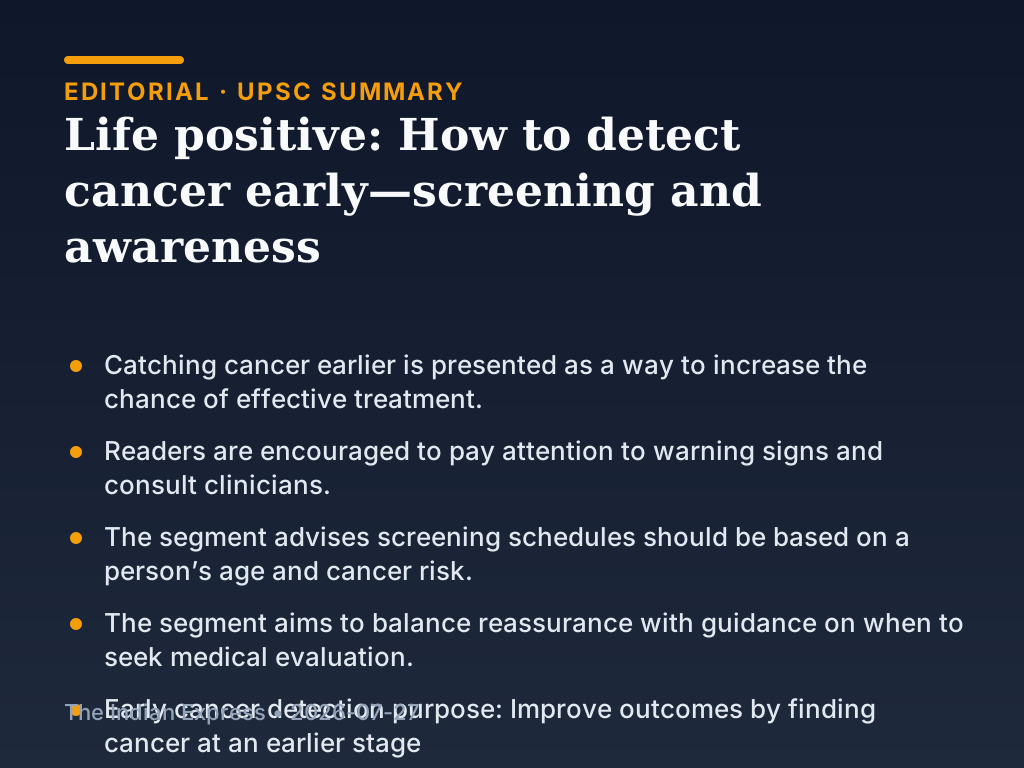
A “Life positive” style health segment argues for better cancer outcomes through earlier detection. The segment encourages readers to pay attention to possible warning signs and to consult clinicians for screening schedules that fit a person’s age and cancer risk. The segment also tries to balance reassurance (reducing fear and confusion) with clear guidance on when medical evaluation is needed.
Background and earlier position (why early detection is emphasised in public health)
Public health approaches to cancer commonly stress earlier detection because earlier-stage cancers are more likely to be treated effectively than cancers found later. In general, awareness drives help people seek timely diagnosis, while screening (a check done in people who may not feel symptoms) can support earlier identification when appropriate for age and risk. When awareness and screening are combined, they can improve the chances that cancer is found at a treatable stage.
What changed now (shift toward practical “when to seek care” messaging)
The “Life positive” framing places practical behaviour guidance at the centre: it links early detection to two actions—watch for warning signs and follow clinician-recommended screening schedules based on age and risk. It also explicitly aims to manage emotional response by offering reassurance while still stating when medical evaluation should happen.