What happened
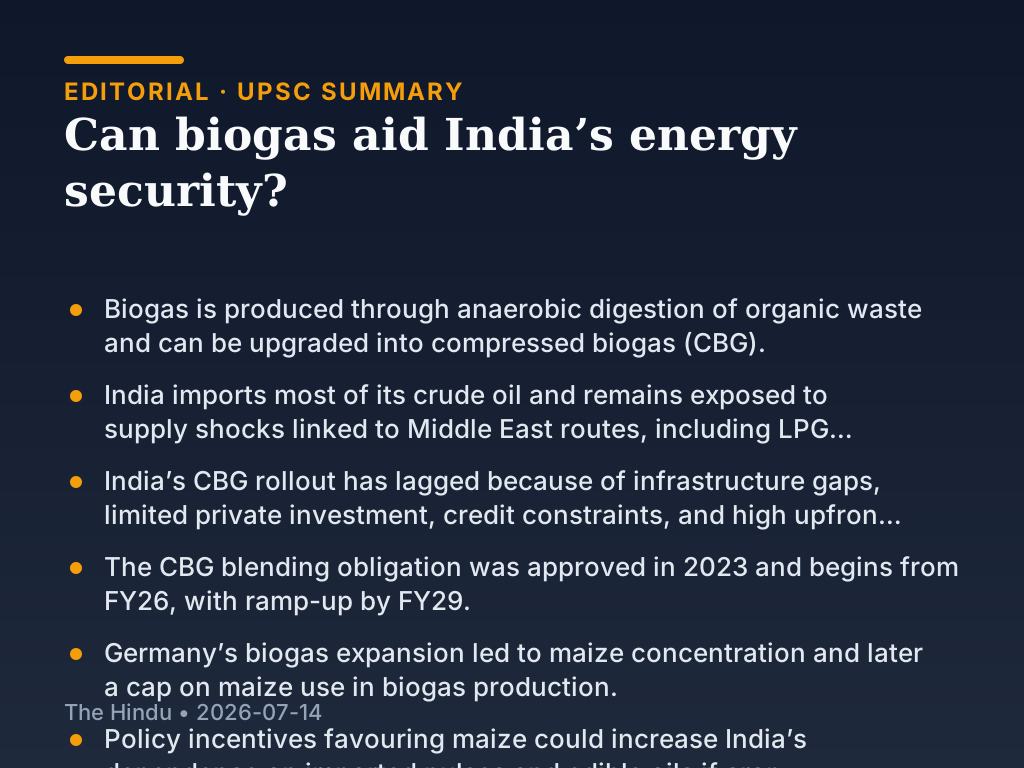
The Hindu editorial argues that biogas and compressed biogas (CBG) can support India’s energy security by turning organic waste into fuel and reducing dependence on imported fossil fuels. The argument is linked to India’s exposure to crude-oil import shocks and to the vulnerability of liquefied petroleum gas (LPG) supplies routed through the Strait of Hormuz.
Background and earlier position
Biogas is produced through anaerobic digestion of organic waste. When upgraded and compressed, it becomes CBG, which can substitute part of fossil-gas use and fit into India’s broader push for cleaner fuels and domestic energy sources.
Related current affairs
- Clarification on media reports regarding Supreme Court proceedings in BPCL ethanol allocation matter
- No decision yet on increasing ethanol blending in petrol: govt
- Key Policy Measures Announced in 2026 Supporting Manufacturing, Energy Security, Trade/Investment, and Agriculture
- Sugar industry’s role in advancing ethanol blending (and impact on sugar availability)
- New LPG connections still on hold amid West Asia tensions
- India improvising on the fly as Strait of Hormuz waters remain still