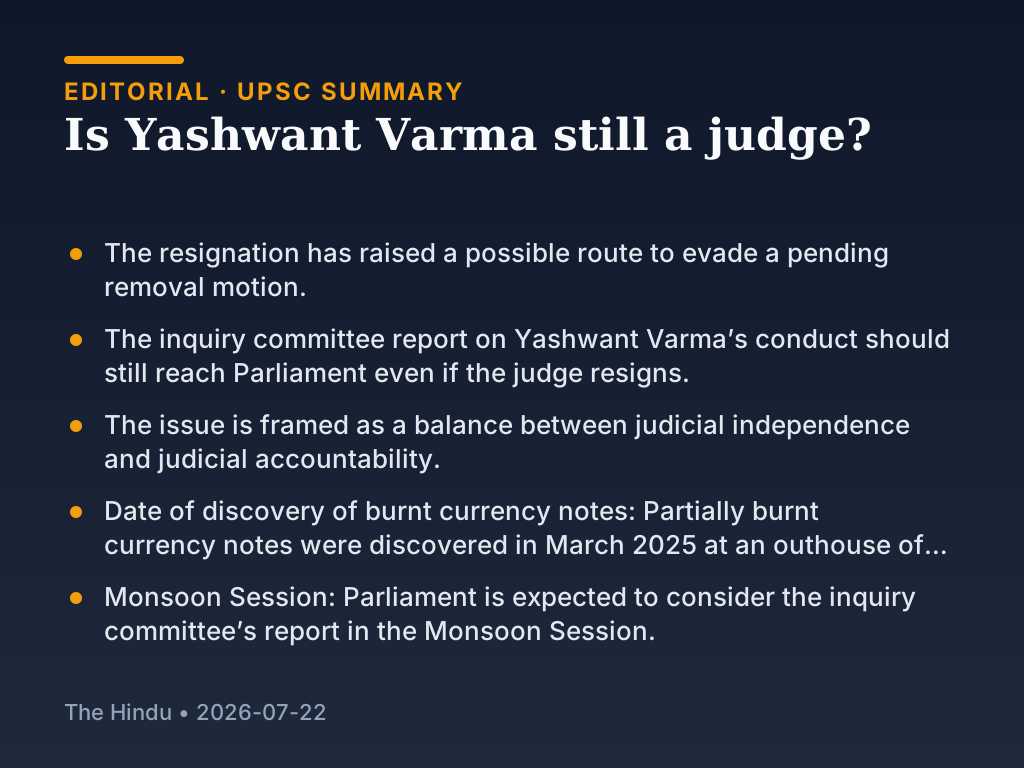
The Hindu examines the constitutional and procedural questions raised by former judge Yashwant Varma’s resignation while a parliamentary removal process is expected to move forward under the Judges (Inquiry) Act, 1968. The issue matters because judicial accountability must be balanced with judicial independence, and a resignation during pending removal proceedings may create a legal and procedural gap.
What happened
Charges of misbehaviour arose after partially burnt currency notes were found in March 2025 at an outhouse of Yashwant Varma’s official residence. Parliament is expected to consider the inquiry committee’s report in the Monsoon Session.
Constitutional and procedural questions raised
After the stated resignation date of April 9, 2026, continuing to treat Yashwant Varma as a sitting judge in court or Department of Justice lists would be wrong. Salary and benefits attached to a sitting judge’s office should not continue once the judge has resigned.
Related current affairs
- Collegium names four judges for elevation
- India’s Parliament should not stage its “Cadaver Synod” over Justice Yashwant Varma’s report
- Cong. slams M.P. govt. for ‘shielding’ Minister over remarks against Colonel Soṭa Qureshi
- Supreme Court statement says allegations against sitting judge must follow institutional mechanism
- Teachers on Census work deemed on school duty; cannot refuse assignment, says Calcutta HC
- InBrief: Allahabad HC continues to question UP government actions on temple land