Silencing peaceful dissent
Sonam Wangchuk’s detention or removal during a fast-related protest is framed as a free-speech and democratic-dissent issue with strong links to constitutional rights, student politics, and the limits of state response.
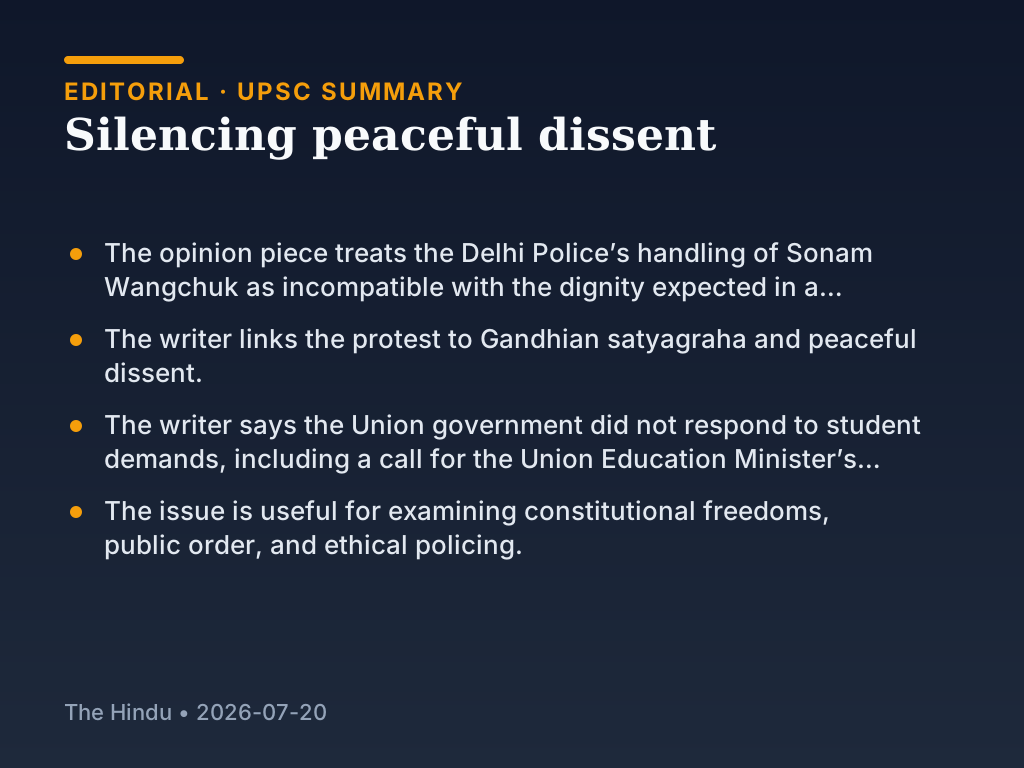
- The opinion piece argues that the Delhi Police’s handling of Sonam Wangchuk was dehumanising and inconsistent with Gandhian satyagraha.
- The opinion piece says the Union government’s refusal to respond to student demands reflected indifference and an authoritarian posture.
What happened
The Hindu opinion piece says the Delhi Police forcibly bundled off fasted protester Sonam Wangchuk. The writer describes the action as dehumanising and argues that it sits uneasily with India’s democratic and Gandhian traditions of peaceful dissent.
The writer also says the Union government did not respond to the students’ demand, which included the resignation of the Union Education Minister. In the writer’s view, that silence signals indifference and encourages a perception of suppression among students.
UPSC may use the episode to test the balance between public order and the constitutional right to peaceful protest, the meaning of dignity in state action, and the difference between lawful policing and excessive coercion. The issue can also be linked to student movements, democratic accountability, and Gandhian methods of public action.


