What happened
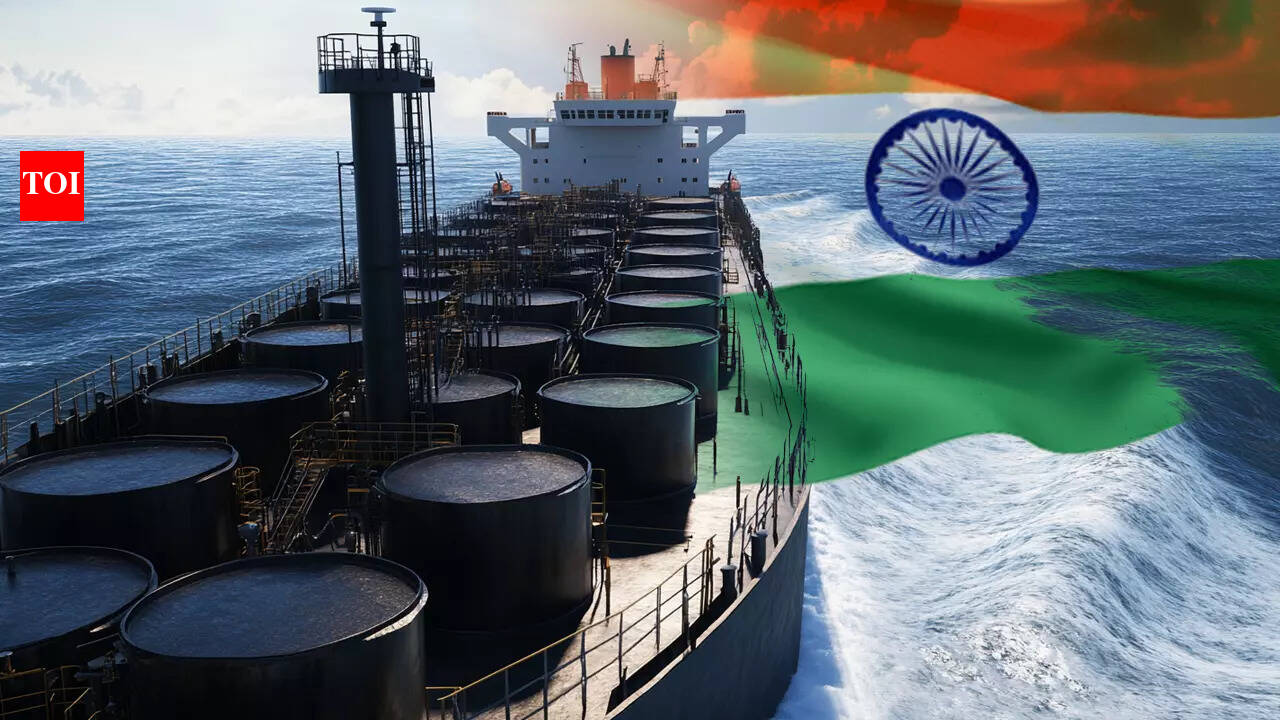
The Strait of Hormuz has become the centre of a second phase in the U.S.-Iran conflict. The escalation involves ceasefire terms, Iranian transit rules, alternate routing through Oman, and opposition from the United States and the Gulf Cooperation Council.
Background and earlier position
The Strait of Hormuz is one of the world’s most sensitive sea lanes because it connects the oil-producing Gulf with open waters. In normal maritime practice, strategic chokepoints can become bargaining points during conflict when a state seeks leverage over transit, pricing, or security arrangements.
The Straits of Malacca and Singapore show why transit arrangements in major sea lanes are legally and commercially sensitive. Those straits are central to international shipping, and the comparison helps explain the dispute over tolls and passage rights in Hormuz.
What changed now
Related current affairs
- IRGC says two oil tankers explode after hitting mines in Hormuz
- Explained: Hormuz altamp — constant attack & risk at Strait
- Eyes on the seas
- U.S. helicopter fires on ship that tried to break blockade
- Trump says U.S. going ‘low key’ as Tehran firm on Hormuz demands
- Hormuz deal seeks to give Iran control over inbound ships