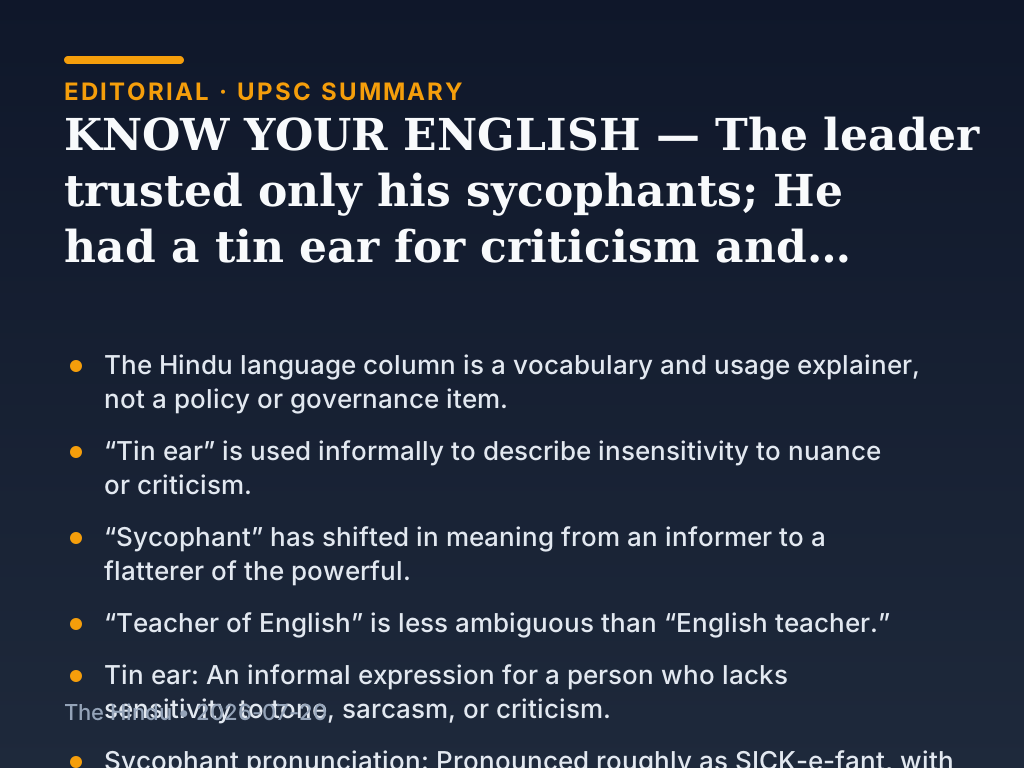
A language-learning column explains the idiom “tin ear”, the pronunciation and origin of “sycophant”, and the difference between “an English teacher” and “a teacher of English”. The material is useful for vocabulary building and precise expression, but it is not a major current-affairs development.
“Tin ear” is used informally to criticise a person who lacks sensitivity, especially a person who is tone-deaf to nuance, sarcasm, or criticism. The phrase is linked to old ear trumpet hearing devices used in Europe, which were sometimes made of tin.
“Sycophant” is pronounced roughly as SICK-e-fant, with stress on the first syllable. The word comes from Greek roots connected to an informer and now means a person who flatters the powerful for advantage.
Why it matters for UPSC
The topic supports precision in English comprehension, Essay writing, and clear communication. It has low current-affairs weight, but it is useful language revision for the civil services examination.
Related current affairs
- Know your English — heist; parapet wall; not at all vs yes; difference between expire and die
- Word of the day: synonym/usage note (tacitly shown)
- Know your English
- Simulacrum (word meaning/synonyms/pronunciation panel)
- Know Your English: She dummied up when asked about the case
- Know your English (From the archives) — likely word/phrase explanation