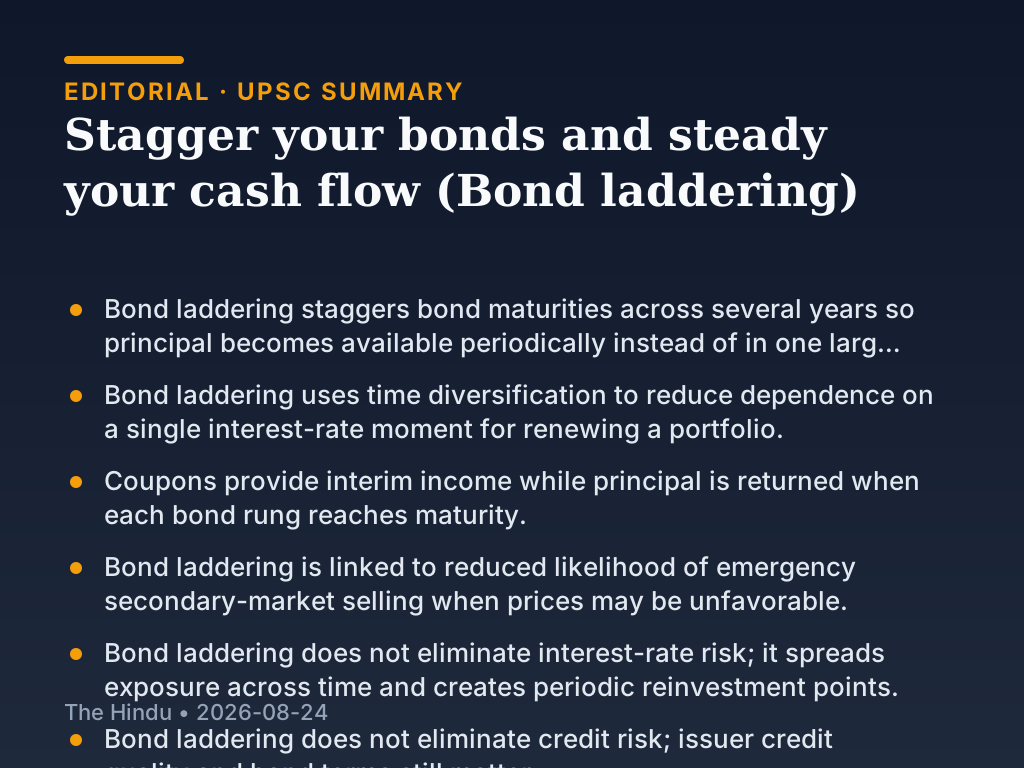
What bond laddering is (staggering maturities to manage cash flow)
Bond laddering is a fixed-income investing method in which an investor spreads bond maturities across several years instead of holding one set of bonds that all mature at the same time. The investor builds a rolling sequence of maturities so principal becomes available periodically, while the bonds pay coupon income during the holding period.
Why investors build a ladder (cash flow and reinvestment timing)
Bond laddering is presented as a form of time diversification. Staggering maturity dates reduces the need to rely on one single interest-rate moment for renewing an entire portfolio. Each maturity point also provides repeated chances to reassess future investments.
How the cash flows are structured (coupons and principal)
Bond laddering mainly structures cash flow through two channels: coupons (periodic interest payments received while bonds are outstanding) and principal at maturity (repayment of the bond’s face value when each bond segment reaches its maturity date).