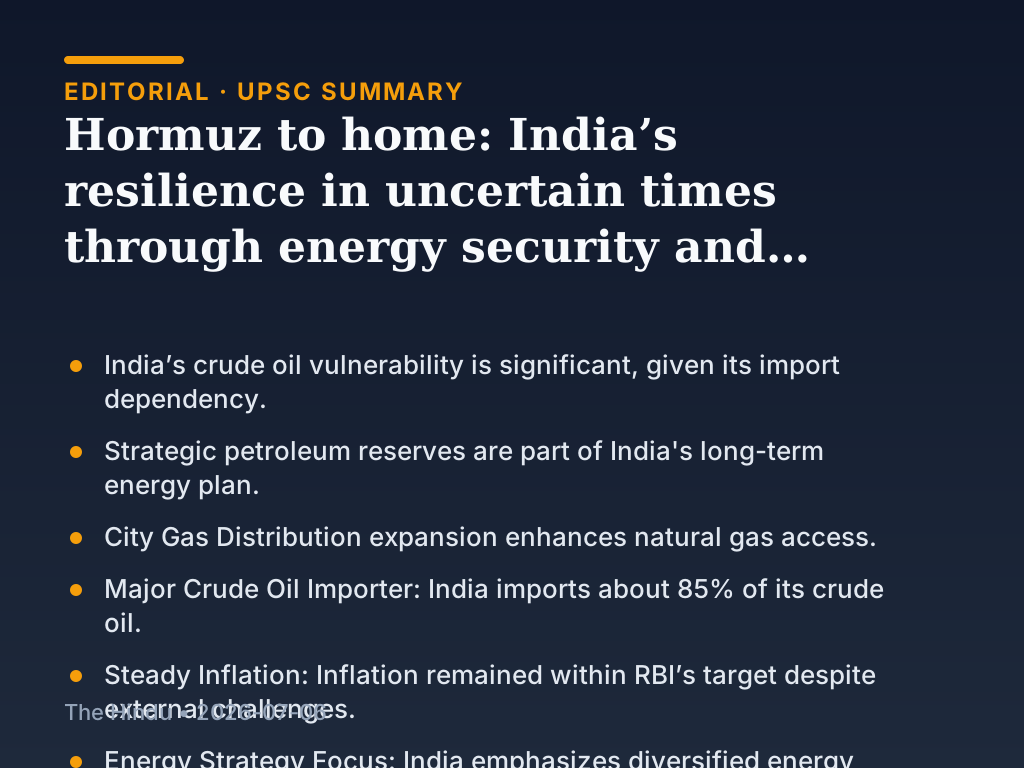
A business-and-policy perspective argues that India’s response to geopolitical disruptions affecting energy routes demonstrates growing institutional resilience.
The Strait of Hormuz is a crucial global maritime chokepoint where disruptions can quickly affect shipping and commodity markets.
Indian authorities coordinated quickly with diplomatic and industry partners to ensure safe movement for Indian-flagged vessels during heightened tensions.
Despite importing most of its crude oil, India managed to keep inflation within the RBI’s target range, supported by domestic demand and public investment.
India's energy management strategy involved diversified supply and inventory management to prevent extreme price surges.
The government adopted a whole-of-government approach to minimize economic disruption while sustaining supplies.
Related current affairs
- Key Policy Measures Announced in 2026 Supporting Manufacturing, Energy Security, Trade/Investment, and Agriculture
- New LPG connections still on hold amid West Asia tensions
- India improvising on the fly as Strait of Hormuz waters remain still
- India Hosts Eighth BRICS Youth Energy Summit 2026 under BRICS Chairship
- Ukrainian drones hit major Russian refinery in Bashkortostan, sparking fire
- For energy security, way forward is not public or private, but both