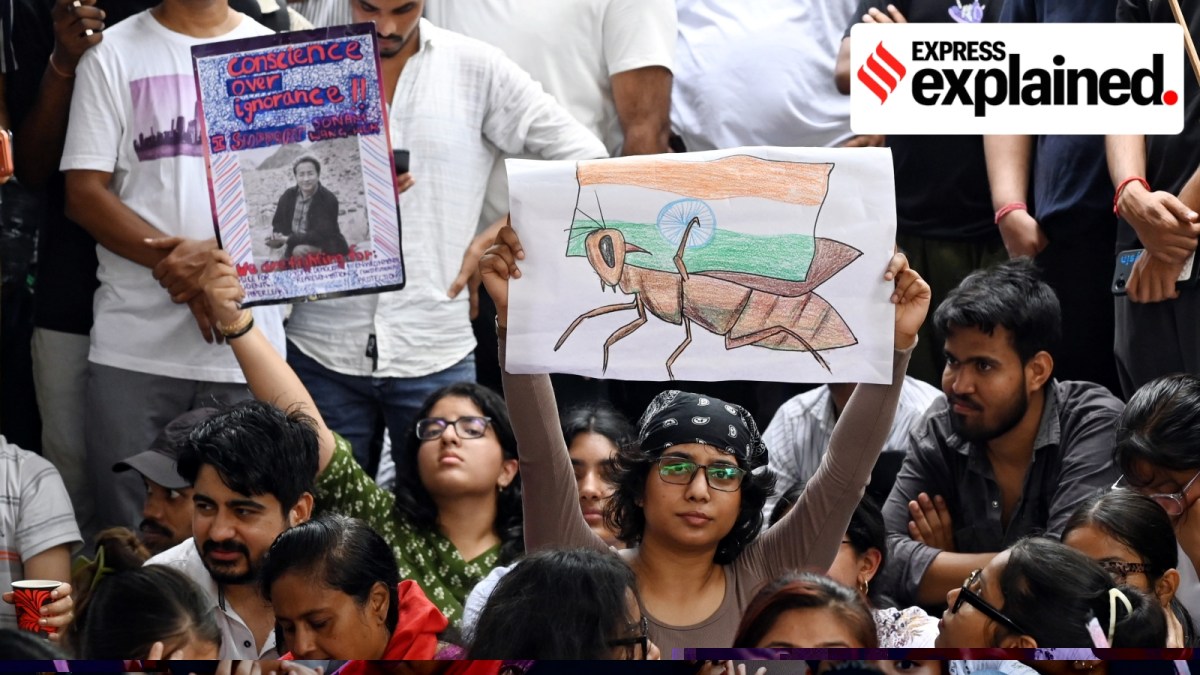
Police in Delhi dispersed a Palestine solidarity march organised by CJP near the Israeli Embassy area. The incident is relevant for UPSC because it connects the constitutional right to peaceful protest with public order, policing standards, and restrictions around sensitive zones.
Police detained scores of people and used baton charges, water cannon, tear gas, and arrests to clear the protest. Several protesters were injured, including some with fractures and head or eye injuries, and some were hospitalised.
CJP leaders said police action was excessive. Police said the action was needed because the crowd was moving toward a restricted zone. The account also says some protesters had been waiting peacefully before the crackdown.
The wider significance for UPSC lies in the recurring tension between freedom of assembly and maintenance of law and order. The issue also has an external-affairs angle because public protest was linked to violence in Palestine and to India's diplomatic setting in Delhi.
Why the issue matters for examination
Related current affairs
- From Jantar Mantar to near Parliament: CJP protest march that took on a life of its own
- Jantar Mantar packed, fresh clashes at Tolstoy Marg
- 118 personnel injured, 70 protesters detained, says Delhi Police
- Police may bar CJP’s Sept. 5 protest in New Delhi district
- Saving faces: Use of facial recognition equipment at protest sites is worrisome
- After Cong. stir, FIR over pellet gun use registered