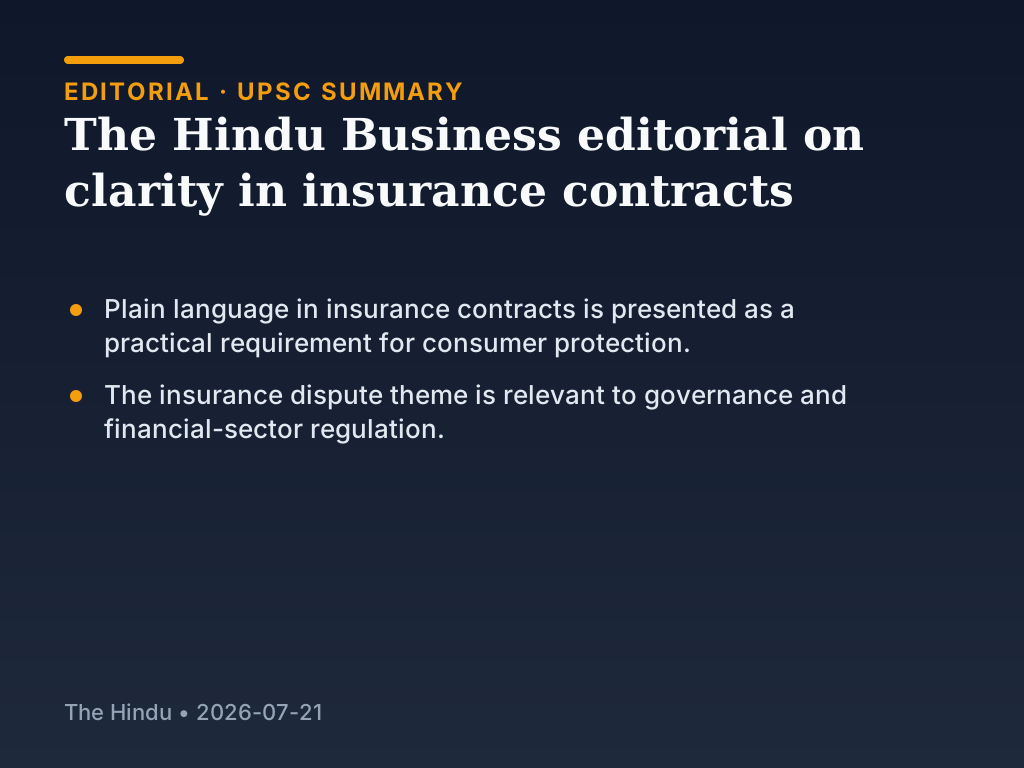
Insurance firms using ‘ambiguous’, ‘sloppy’ terms to evade liability: SC
Supreme Court reiterates that insurance policy language should protect policyholders' reasonable expectations and not be used to defeat genuine claims through ambiguity.

- The Supreme Court said insurance firms should not use unclear policy language to avoid liability.
- Insurance contracts should be interpreted in a way that protects the reasonable expectations of policyholders.
- Insurers should make exclusions and limitations clearer and should not rely on technical wording to defeat legitimate claims.
The Supreme Court has said insurance firms often rely on unclear or sloppy policy language to avoid paying claims. The Court's observation is important because insurance disputes frequently turn on how exclusions, limits, and conditions are worded.
The Court said insurance contracts should be read in a way that protects the reasonable expectations of policyholders. The Court also indicated that insurers should state exclusions and limitations more clearly instead of using technical wording to defeat legitimate claims.
UPSC can use the issue to test the balance between freedom of contract and consumer protection, the role of the judiciary in interpreting ambiguous contracts, and the need for clear disclosure in regulated financial services.
Related dispatches