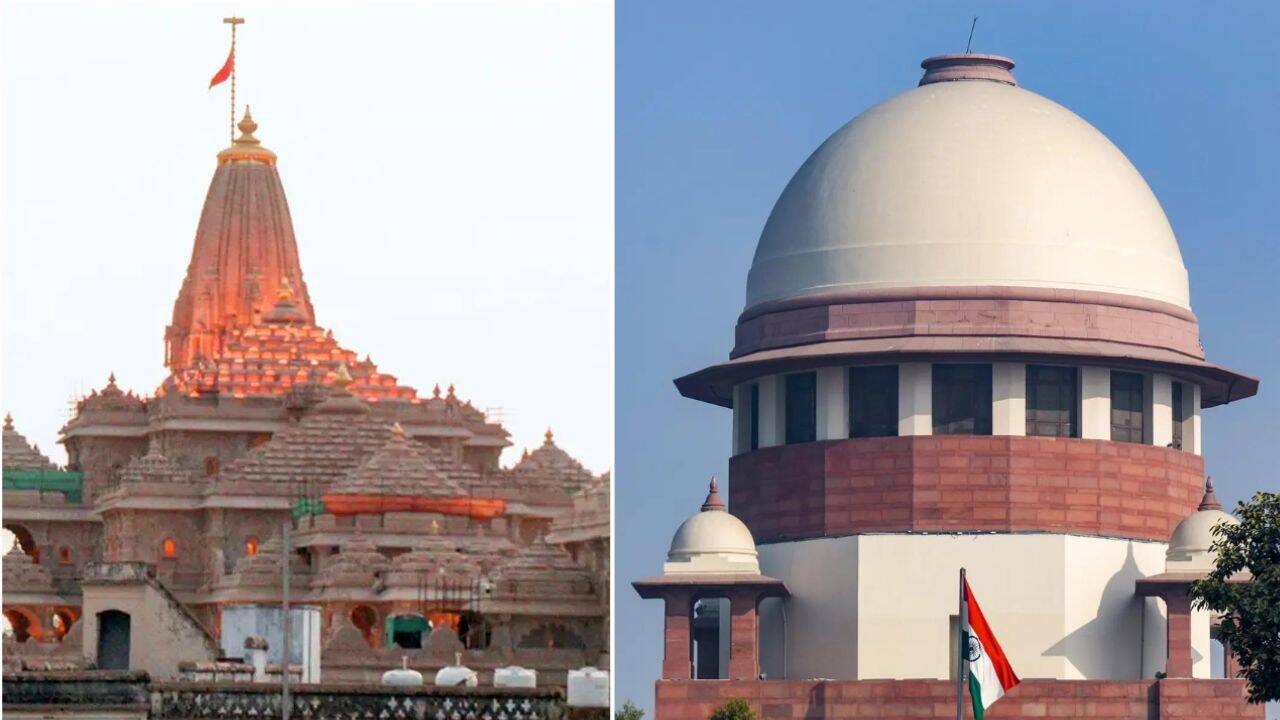
The Supreme Court has proposed a probe by a Special Investigation Team (SIT) in the Ram Temple case, with the reported focus on senior officers. The development matters because it raises questions on judicial oversight, the conduct of public officials, and the institutional route chosen for a politically sensitive investigation.
The supplied brief does not clearly spell out the alleged acts, the officers involved, or the exact scope of the investigation. Even so, the core exam value lies in understanding how the Supreme Court can shape the course of a criminal or administrative probe when allegations touch a high-profile public dispute.
Background and earlier position
An SIT is a temporary, case-specific investigative team constituted for complex or sensitive matters. In Indian practice, courts have at times ordered or monitored special probes when confidence in an ordinary investigation is weak or when the allegations involve a matter of public importance.
In the Ram Temple context, any judicially supervised investigation would be read against the broader legal and political sensitivity of disputes linked to Ayodhya. The current brief suggests that the Supreme Court is willing to consider a stronger investigative framework rather than leaving the matter entirely to routine police handling.
Why the issue matters for UPSC
Related current affairs
- SC proposes probe by SIT of senior officers
- SC proposes SIT probe into Ram Temple case
- IN BRIEF: Add a forensic auditor to Ram Temple SIT: SC
- Mediation between parties? (Top banner/side strip: ‘Let the shift… conclude Ram Temple probe, says SC’ or similar)
- Final report on Sabarimala gold 'theft' will be filed soon, SIT tells HC
- Sukhbir Badal appears before SIT in 2015 Punjab firing case