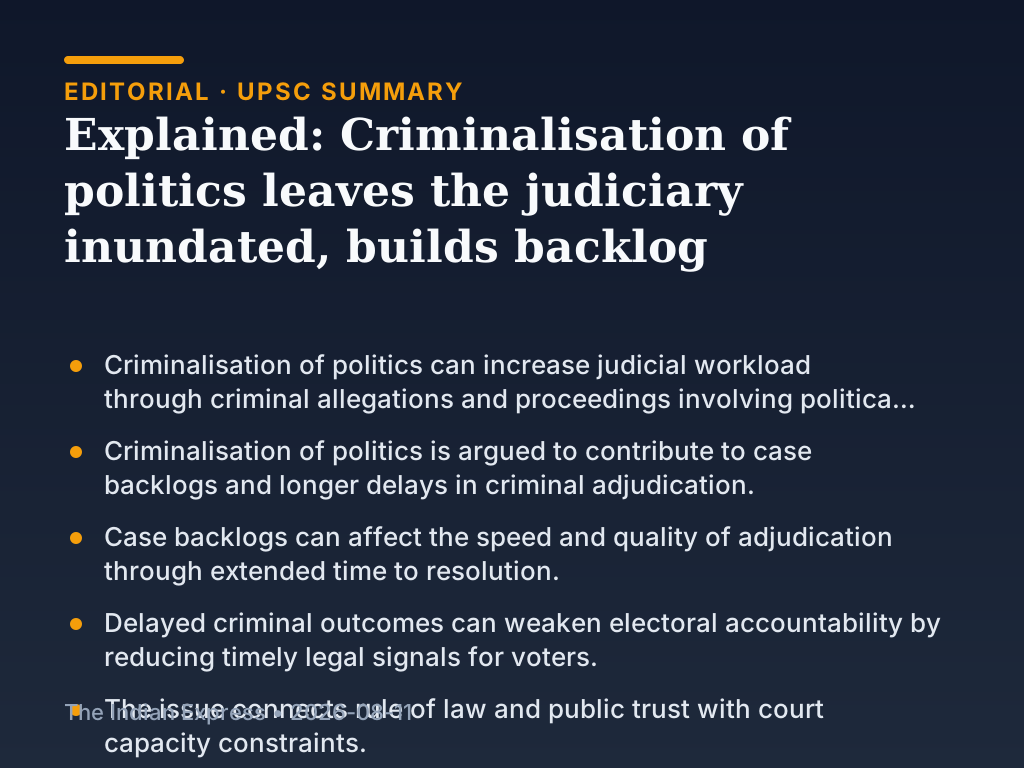
What happened: criminalisation of politics increases judicial workload and backlogs
Criminalisation of politics refers to the increasing presence of criminal allegations and criminal proceedings connected to political actors. The key consequence argued in the explainer is that politically connected criminal matters add to the volume and complexity of cases reaching courts, thereby increasing judicial workload.
Background and earlier position: politics becoming intertwined with criminal matters
The relationship is presented as a pathway: political competition helps generate or sustain criminal accusations, and criminal cases then enter the court system. As cases progress from filings and hearings to trials and appeals, courts absorb sustained procedural work.
What changed now: courts face sustained pressure from politically linked criminal litigation
The current emphasis is the consequence for the judiciary: criminalisation of politics burdens courts and can affect the speed and quality of adjudication. Speed and quality are linked through time; longer delays can limit how quickly evidence is tested and how promptly legal questions are resolved.
Related current affairs
- What did Trump say about India’s voting system? (U.S. election rules vs India; SAVE America Act)
- SOUTH KOREA: Ex-president Yoon gets suspended jail term for violating election law
- Govt. introduces Bill in Lok Sabha to raise strength of judges in SC to 38
- Govt puts draft law seeking removal of ‘tainted’ ministers on backburner
- HC halts bypolls in 5 constituencies in T.N.