What happened (deterrence failure in West Asia)
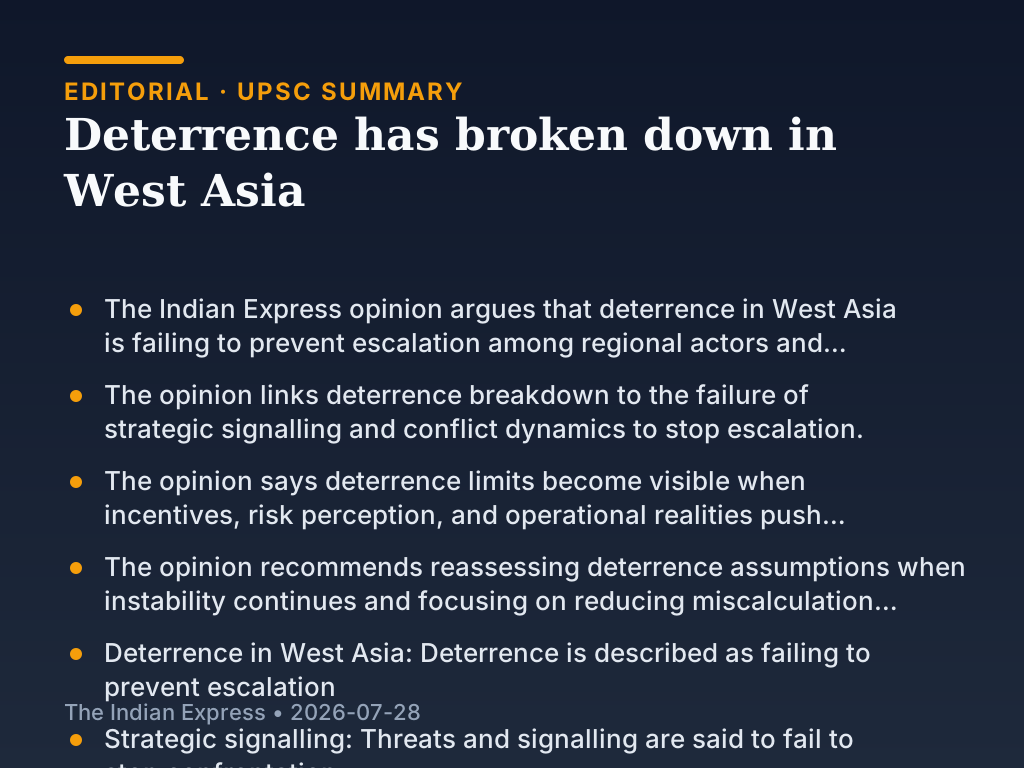
The Indian Express opinion maintains that deterrence in West Asia is no longer functioning as intended. The opinion links this breakdown to the inability of threats and strategic signalling to prevent escalation among regional actors and external players.
Background and earlier position
Deterrence is a strategy aimed at preventing an unwanted action by convincing a rival that costs will be high and retaliation will be credible. The opinion’s argument uses a key assumption behind deterrence: threats should change incentives and behaviour during a crisis.
What changed now (limits of deterrence under escalation pressure)
The opinion argues that deterrence has limits when conflict dynamics and strategic signalling fail to shape decision-making toward restraint. It emphasises that incentives, perceived risks, and operational realities can push parties toward confrontation even after threats are issued.
Related current affairs
- Trump: Will destroy bridge or power plant every time Iran fires at us
- Global wars delaying FTA negotiations
- Tehran warns Bulgaria against aiding US military ops
- Tehran warns Bulgaria against aiding U.S. military ops
- Houthi sea blockade of Saudi Arabia at Red Sea gateway
- Gaza city: Khalil al-Hayya, Hamas negotiator, in Gaza talks, named group chief