What happened (policy direction)
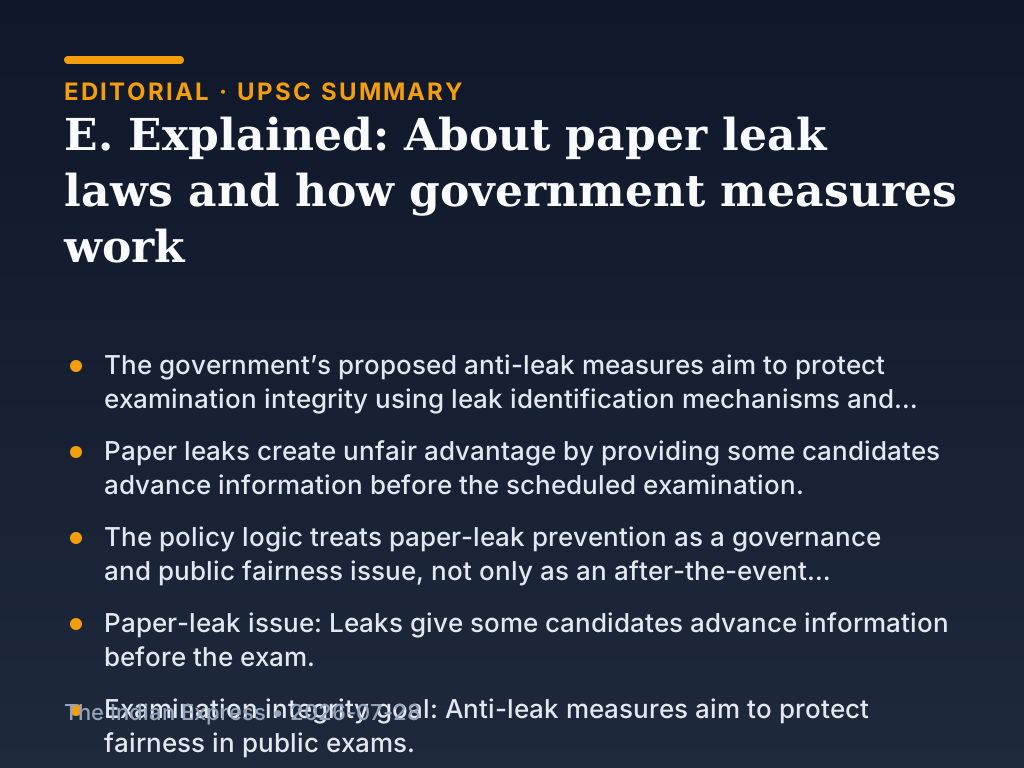
The government’s proposed anti-leak measures target examination paper leaks through a combined policy logic: leak identification mechanisms to detect how leaks happen inside examination processes and legislative steps meant to deter leak-related wrongdoing by increasing the expected legal consequences.
Background and earlier position (why paper leaks matter)
Paper leaks undermine fairness in public examinations because they can provide some candidates with advance knowledge before the scheduled examination. This creates an unfair information advantage and shifts evaluation from merit to access. Paper leaks also weaken public trust in administrative systems that conduct competitive selection and recruitment.
What changed now (how the approach is framed)
Why it matters for UPSC (governance and ethics lens)
Related current affairs
- Express Explained: What is the anti-paper leak Bill & how it may work
- LETTER TO THE EDITOR: Paper leak law
- Explained: Parliament set to discuss anti-paper leak Bill (overview)
- Anti-paper leak Bill set to be introduced in House next week
- Govt: Anti-paper leak Bill a visionary step towards safeguarding youth’s future
- House clears anti-paper leak Bill, PM says nobody will be spared