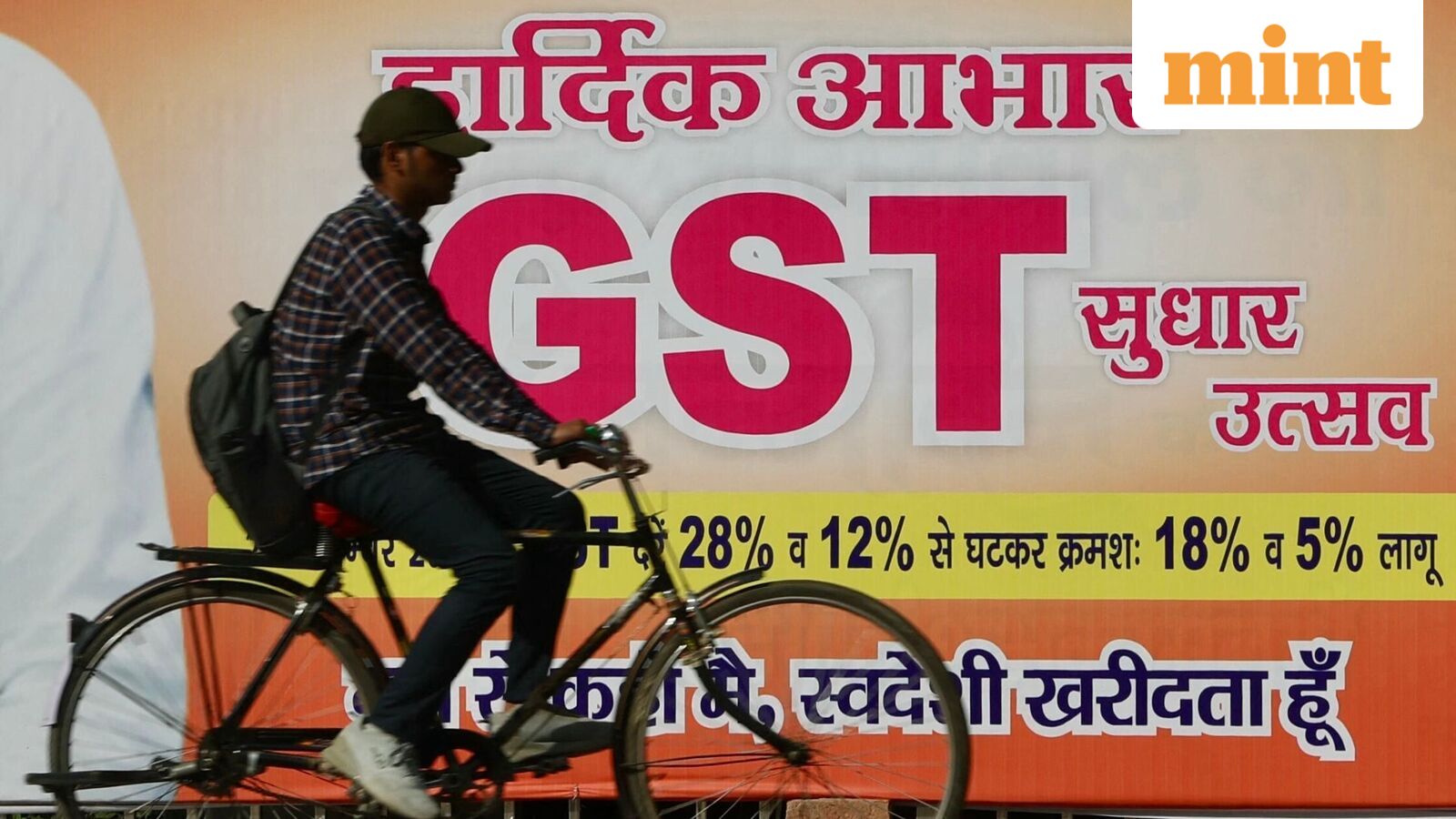
Goods and Services Tax (GST) is now one of the most important reforms in India’s indirect tax system. It replaced a fragmented web of central and state indirect taxes with an integrated framework, and it continues to matter for economic integration, tax compliance, and cooperative federalism.
The Goods and Services Tax was launched on 1 July 2017. PIB’s backgrounder marks nine years of GST and presents the reform as a move from multiple taxes and cesses toward a common national market.
What changed when GST replaced the earlier indirect tax system
Before GST, India used several central and state-level indirect taxes. That system created different rates, multiple points of taxation, hidden trade costs, and cascading of taxes, often described as tax on tax. GST attempted to reduce those frictions by taxing supply rather than manufacture, sale, or service separately.
PIB states that GST subsumed 17 taxes and 13 cesses into one framework. The reform also sought to support a common market, wider formalisation, and better reporting through a strong information technology backbone.
Earlier position and institutional design
Related current affairs
- RBI introduces SNFA category, bars banks from selling assets back to defaulters
- Unwelcome surge
- PM to participate in valedictory session of Departmental Summit on Water Security on 2 September
- Shah praises South’s role in nation’s progress
- dovish RBI core inflation views; 89% of CPI items see higher prices in June vs May (chart/summary)
- GST must be fuelled by domestic production, not inflation or imports