What happened
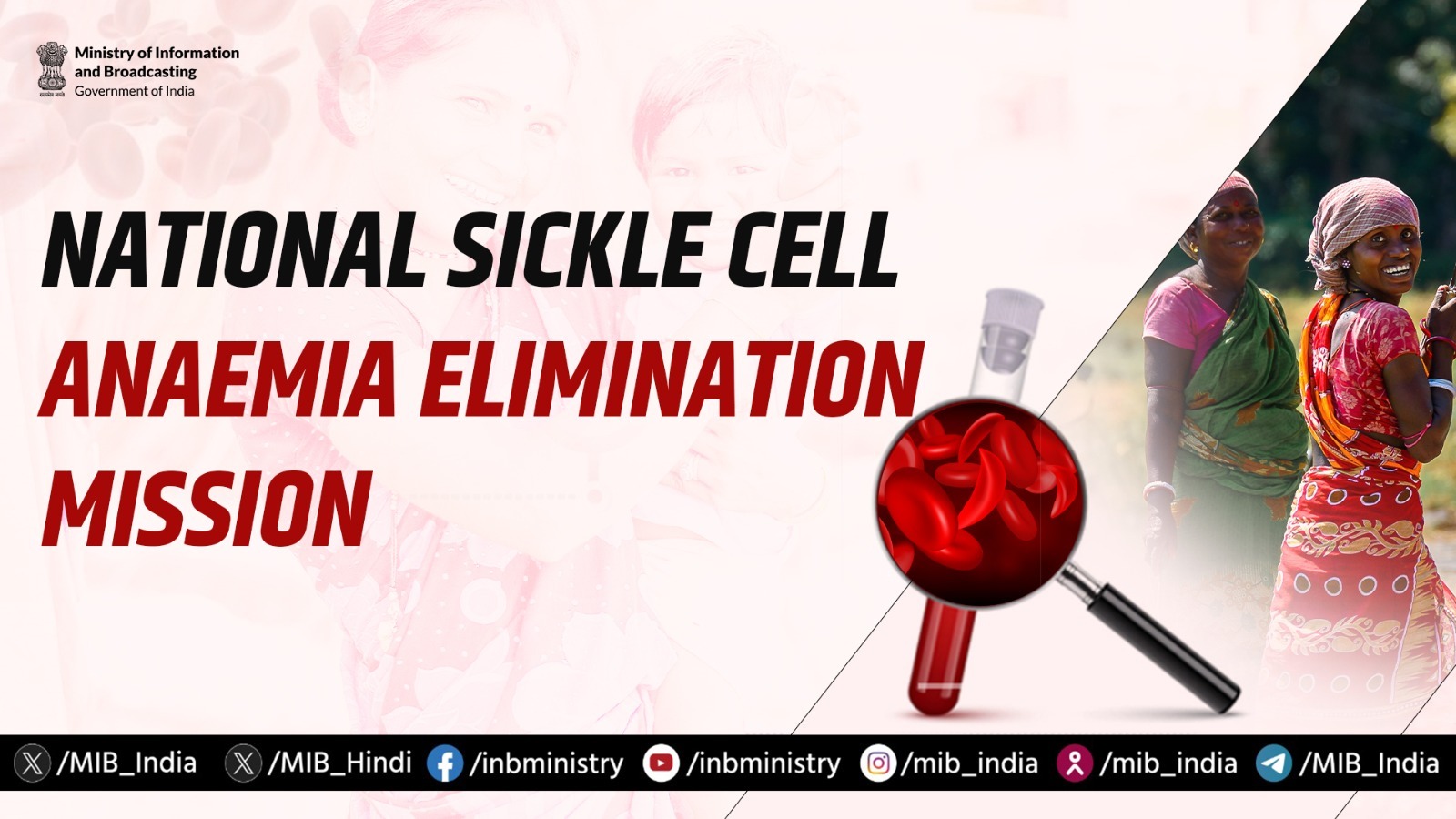
The Ministry of Tribal Affairs informed the Rajya Sabha that the Union government is using the National Sickle Cell Anaemia Elimination Mission to expand screening and treatment support for sickle cell disease in tribal areas. The statement places the focus on early diagnosis, drug access, counselling, and follow-up care in the public health system.
According to information received from the Ministry of Health and Family Welfare, screenings are being conducted in the targeted age group of 0–40 years at health facilities from District Hospitals to Ayushman Arogya Mandir level in the affected 17 tribal States.
What the government said
The government reported that, as of 16 July 2026, more than 7.24 crore screenings had been conducted in tribal-dominated areas. The same data set reported 247,961 individuals identified as diseased and 2,035,181 individuals identified as carriers of sickle cell disease.
The government also said hydroxyurea has been included in the National Health Mission Essential Drugs List at Sub-Health Centres, Primary Health Centres and Urban Primary Health Centres, Community Health Centres, and District Hospitals to improve access to medicine.
Related current affairs
- 7 tribal children die; monsoon-related diseases spread in Baiga villages of Balaghat, Madhya Pradesh
- World Hepatitis Day 2026: Ministry of Health marks 8 years of National Viral Hepatitis Control Programme (NVHCP)
- RBSK 2.0 guidelines expanded to address childhood non-communicable diseases and obesity-related concerns
- NAM: Upgrading Ayush dispensaries and operationalization of Ayush Health & Wellness Centres as Ayushman Arogya Mandir
- Anemia and nutrition/child health interventions under NHM (AMB, MAA, HBNC/HBYC, Mission Poshan 2.0)
- Maternal, neonatal and child health measures under NHM (JSY, JSSK, PMSMA, SUMAN, postnatal care)