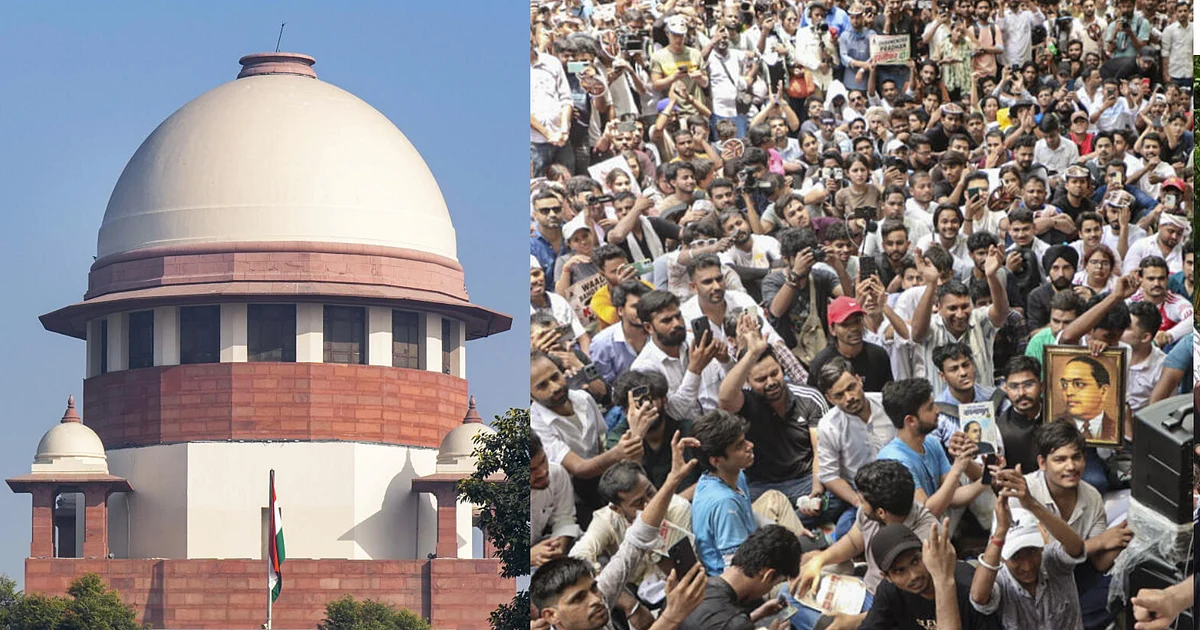
What happened (Supreme Court’s interim directions)
The Supreme Court issued interim directions in petitions concerning alleged police use of disproportionate force during protests by students connected to allegations of NEET examination paper leaks. The Supreme Court directed the Union government, the Government of National Capital Territory of Delhi, and multiple State Chief Secretaries to file responses to the petitions.
The Supreme Court made several interim orders aimed at (a) independent fact-finding into the force allegations, (b) urgent release protections for detained minors, and (c) evidence preservation so the investigations remain verifiable.
Background and earlier position (what authorities were asked to do)
The petitions concerned policing actions during protests. The Supreme Court signalled that the allegations against police conduct had sufficient basis at least at the prima facie stage and required an independent, impartial probe. The Court also noted that the probe should consider complaints by families of police personnel who alleged injuries during the protests.
What changed now (orders on minors, coercive action, and evidence preservation)
Related current affairs
- Release all minors held over student protests: SC
- Cong. to launch campaign against Ram Temple ‘theft’, step up student outreach
- Opinion-style/Report excerpt: 'Inside the Supreme Court' about elephant routes (captioned image and brief context)
- No excessive force used; trapped constable fired AK-47: Bihar Police to SC
- Youth can become a burden without jobs, skills: Bhagwat
- Sexual history of survivors continues to shadow rape trials: experts