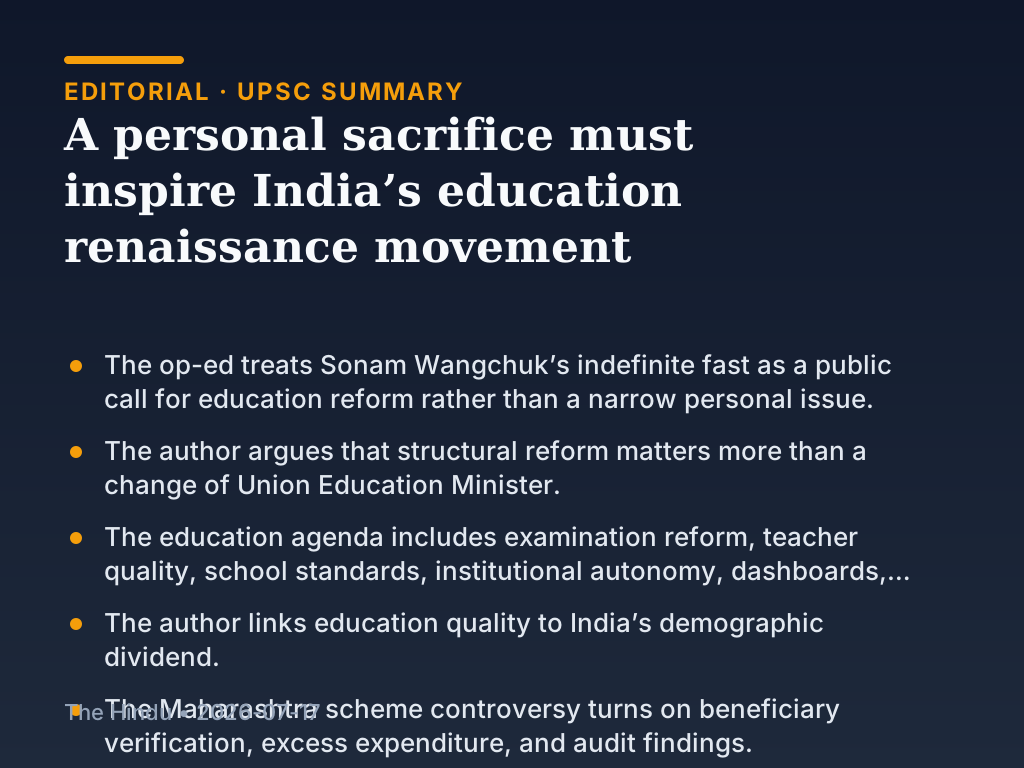
What happened
The reform agenda argued in the op-ed
The author lists ten urgent reforms:
Key reform demands
The author argues for assessment reform that rewards understanding, application, creativity, analysis, ethical judgment, and real-world problem-solving instead of rote recall.
Related current affairs
- Pre-poll promises, post-poll precarity
- Maharashtra govt. duped women under Ladki Bahin scheme, alleges State Cong.
- EDUCATION TO EMPLOYMENT: Modi govt ‘ravaging’ Indian youth: Cong.
- Amount approved by Maharashtra to install fire alarm systems (NEWS IN NUMBERS)
- Youth can become a burden without jobs, skills: Bhagwat
- Governance problems bedevil Maharashtra’s forested area, where three girls died from snakebite at a residential tribal school