What happened
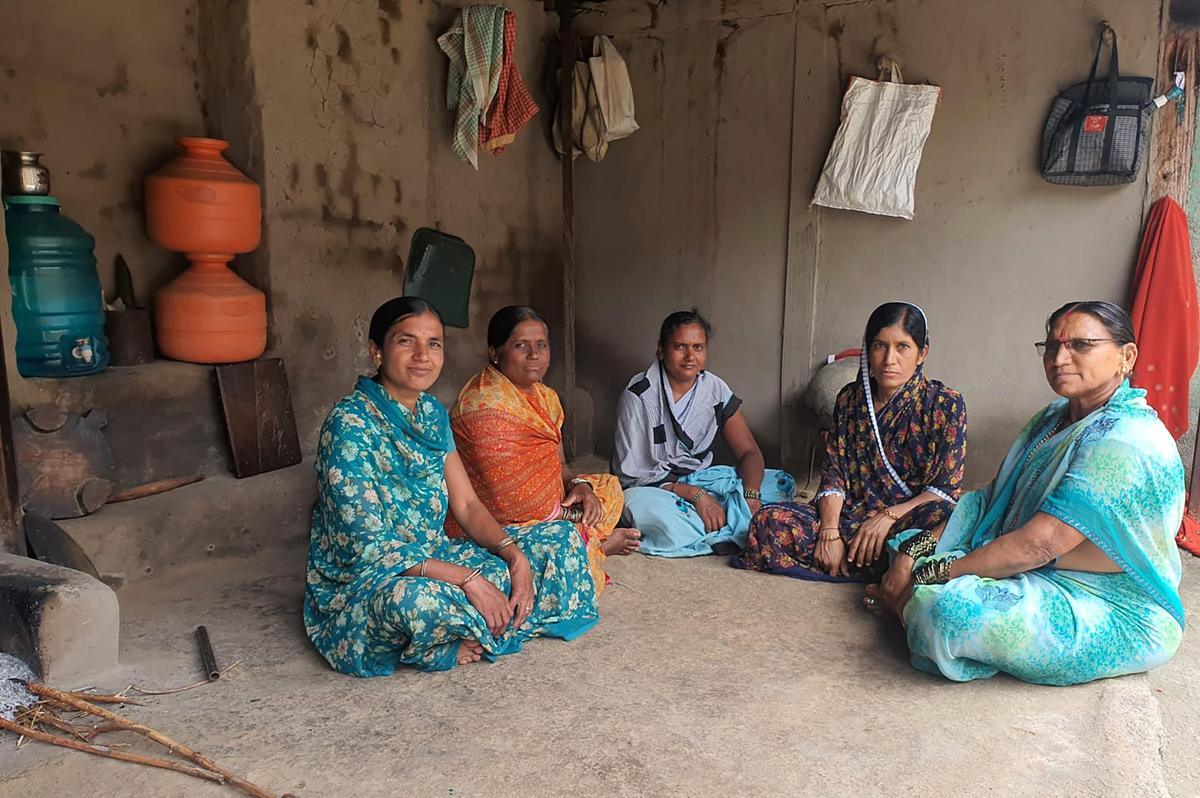
The Mukhyamantri Majhi Ladki Bahin Yojana became politically and socially significant in Maharashtra because it transferred monthly cash support to vulnerable women in a drought-prone agrarian region. In Kherda and nearby villages in Dharashiv district, widowed farmworkers and other low-income women described the aid as essential for household survival, especially where farming incomes are unstable and men’s earnings have disappeared after deaths, debt, or crop loss.
The feature also links the scheme to the 2024 Maharashtra Assembly election. The ruling alliance gained from the scheme’s appeal among women voters, but the state government later began deleting beneficiaries it said were ineligible, including government employees, taxpayers, and women already receiving other welfare benefits.
Background and earlier position
Marathwada has long faced agrarian distress linked to erratic monsoons, crop failures, unseasonal rain, shrinking rivers, and recurring drought. The region’s dryland agriculture has also been associated with farmer suicides, which made household-level cash support especially relevant for widows and marginal farm households.
Before the post-poll deletions, the scheme had expanded to a very large beneficiary base and became a major welfare promise in Maharashtra politics. Some women viewed older pensions such as the Sanjay Gandhi Niradhar Anudan Yojana and the Indira Gandhi National Widow Pension Scheme as more stable because those programmes are not tied so closely to an election cycle.
Related current affairs
- A personal sacrifice must inspire India’s education renaissance movement
- Maharashtra govt. duped women under Ladki Bahin scheme, alleges State Cong.
- EDUCATION TO EMPLOYMENT: Modi govt ‘ravaging’ Indian youth: Cong.
- Amount approved by Maharashtra to install fire alarm systems (NEWS IN NUMBERS)
- Governance problems bedevil Maharashtra’s forested area, where three girls died from snakebite at a residential tribal school
- Homeopaths allowed to prescribe modern drugs after bridge course; critics question rationale