What happened: Karnataka Cabinet formed without women
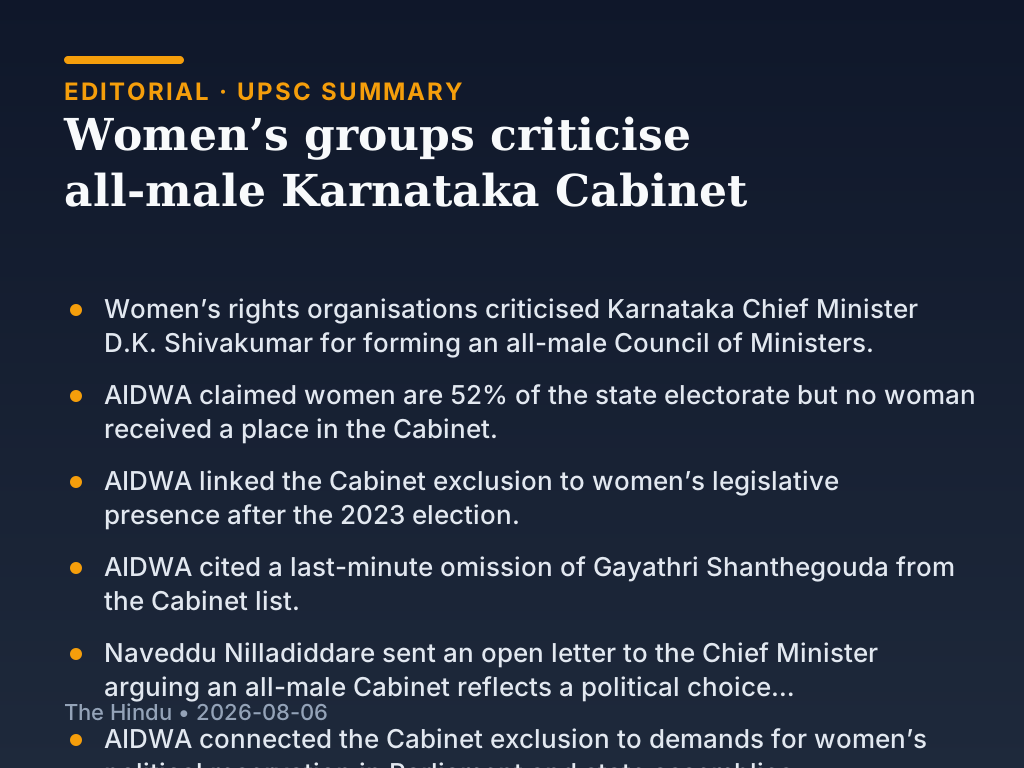
Women’s rights organisations objected to Karnataka Chief Minister D.K. Shivakumar forming an all-male Council of Ministers. The organisations argued that excluding women from the Council of Ministers is “anti-women” and “anti-democratic”, and violates constitutional commitments to equality and democratic representation.
AIDWA highlighted three linked points: women are 52% of the state electorate, no woman was given a place in the Cabinet, and the number of women MLAs after the 2023 election showed that women’s leadership exists in the legislature but did not appear in the Cabinet. AIDWA also linked the exclusion to broader demands for women’s political reservation in Parliament and state assemblies.
AIDWA referenced a last-minute omission of Gayathri Shanthegouda from the Cabinet list. Naveddu Nilladiddare, in an open letter to the Chief Minister, said an all-male Cabinet reflects a political choice that signals women’s leadership is not valued when exercising state power.
Background and earlier position: election participation vs executive inclusion
Women’s rights organisations argue that representation should cover who gets authority to decide policy, not only who votes or who wins legislative seats. In the Karnataka case, the protest focus is the executive-level stage of state governance: the Council of Ministers chosen by the Chief Minister.
Related current affairs
- STATE OF PLAY: The long wait for a woman Minister (Karnataka Legislature monsoon session)
- STATE OF PLAY: The long wait for a woman Minister
- Long wait for a woman Minister: Inducting a woman into Karnataka Cabinet has not been a priority
- Water release: Shivakumar offers Vijay chopper tour of Cauvery
- Karnataka Cabinet expansion talks likely to start this week
- Minister facing graft charges may quit Karnataka Cabinet