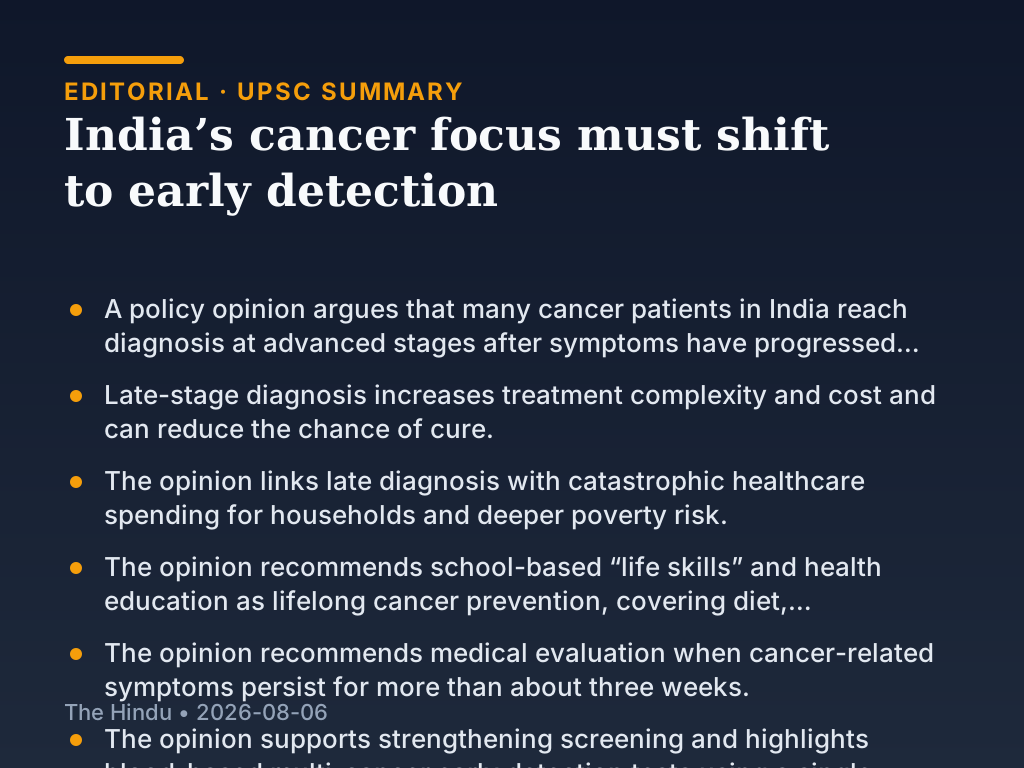
What happened: India’s cancer outcomes are limited by late-stage presentation
The key argument is that many cancer patients in India reach diagnosis after symptoms have progressed enough to disrupt daily life. Late presentation makes treatment more complex and costlier, and it reduces the chance of cure.
Late diagnosis is linked to broader socioeconomic harm. Cancer-affected households can incur catastrophic healthcare spending, and late-stage detection can deepen poverty.
Even with expanded access to cancer services—tertiary cancer centres and availability of surgery, radiation, and systemic therapies—outcomes remain limited when diagnosis is delayed.
Background and earlier position: treatment capacity grew faster than early detection
The opinion explains survival gaps using “stage at entry” logic—differences across countries reflect not only treatment availability but also the stage at which patients first enter the healthcare system for diagnosis.
Related current affairs
- Why India’s R&D system needs a map of where funds really go
- DIBD (Digital India BHASHINI Division) and NITI Aayog sign SoI to advance multilingual AI for inclusive governance
- Affordable and Accessible Healthcare for All
- Nadda Chairs CEO Roundtable at India Medical Device 2026 to Discuss Future of MedTech Ecosystem
- NITI Aayog evaluation of DAY-NRLM and other central rural sector schemes (FY 2025-26)
- A healthy tax