What happened
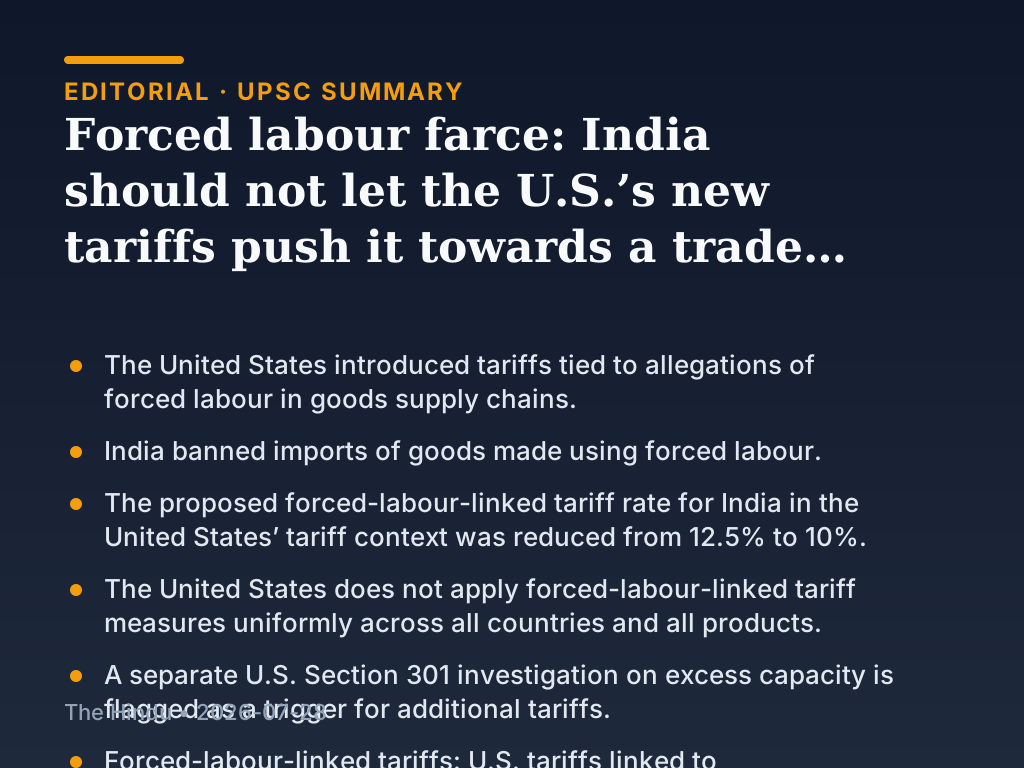
The United States introduced tariffs tied to allegations of forced labour in goods supply chains. The policy question is whether the United States is mainly addressing forced-labour abuse or mainly using tariffs to improve its negotiating leverage in trade disputes.
The United States does not apply forced-labour-linked tariff measures uniformly across all countries and all products, which limits the claim that forced-labour prevention alone is the only governing objective.
India reduced the tariff exposure described in the forced-labour context by banning imports of goods made using forced labour. The proposed tariff rate for India linked to that condition fell from 12.5% to 10%.
The implementation challenge is verification. Indian officials would need access to verify forced-labour conditions in other countries, and such access can be difficult to obtain in practice.
Related current affairs
- US imposes final Section 301 forced-labour measures; India placed in lower tariff tier with 10% additional duty
- In Brief: U.S. announces 10% tariffs on forced-labour imports; Centre says about 45% of India’s exports unaffected
- America’s tariff state is expanding. India must be patient
- Trump’s tariff threat on generics: Why it matters for Indian pharma firms
- Government initiatives and measures to enhance trade preparedness and export competitiveness of India’s textile sector
- Economic commentary column on policy, banking, and investment trends