Some ships 'refusing' US-military guided Hormuz sanctions after attacks
Commercial vessels are reportedly avoiding a U.S.-guided convoy route in the Strait of Hormuz after attacks raised maritime security risks.
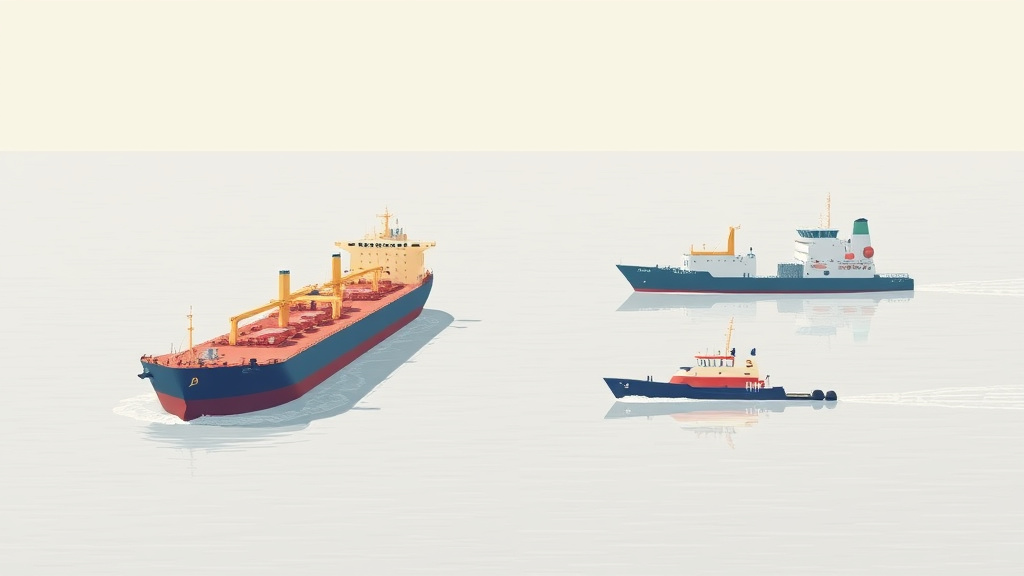 AI generated
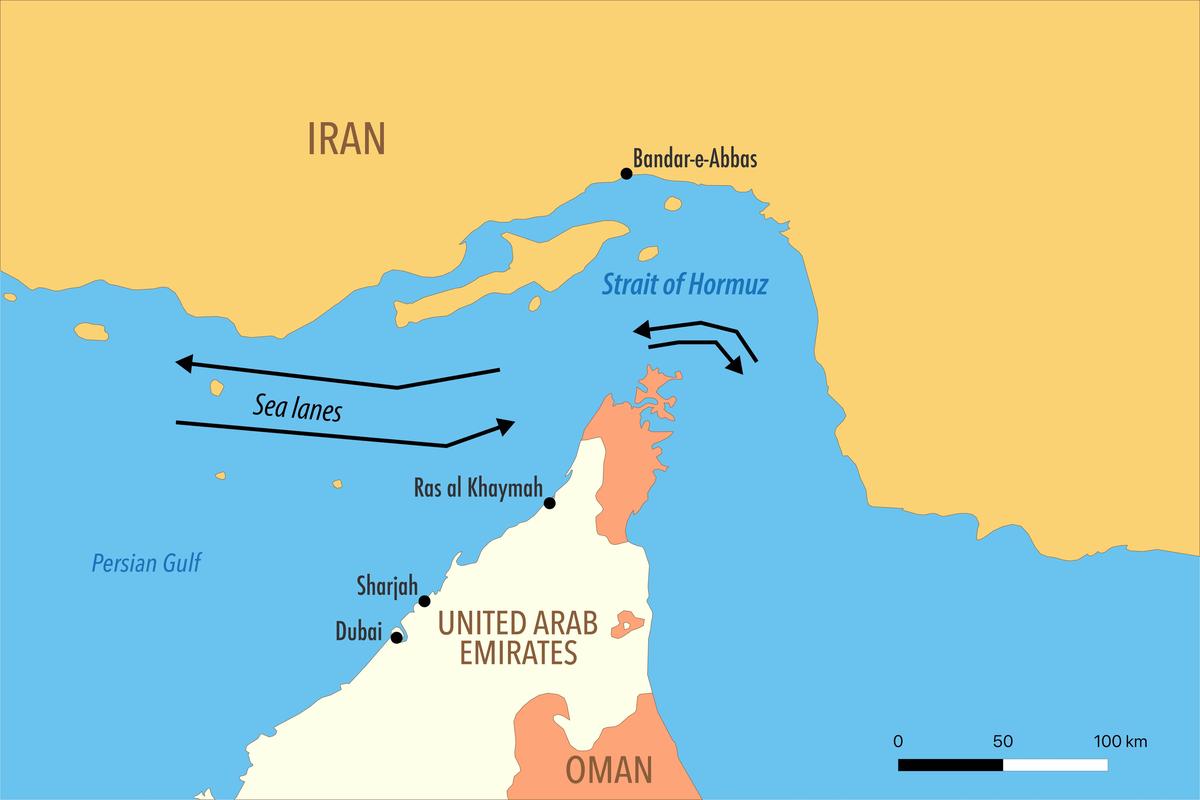
- The Strait of Hormuz is a strategic maritime chokepoint for global oil and trade flows.
- Some commercial vessels are reportedly refusing U.S.-guided transits after attacks in the area increased security risk.
- The U.S. military has been offering guided convoy passage to reassure vessels and protect transit through the Strait of Hormuz.
Commercial shipping in the Strait of Hormuz faces higher risk after attacks in the area led some vessels to avoid U.S.-guided transits. The Strait of Hormuz matters because it is a narrow but crucial route for global oil and trade flows, and higher risk in the corridor can affect freight movement and market confidence.
What happened
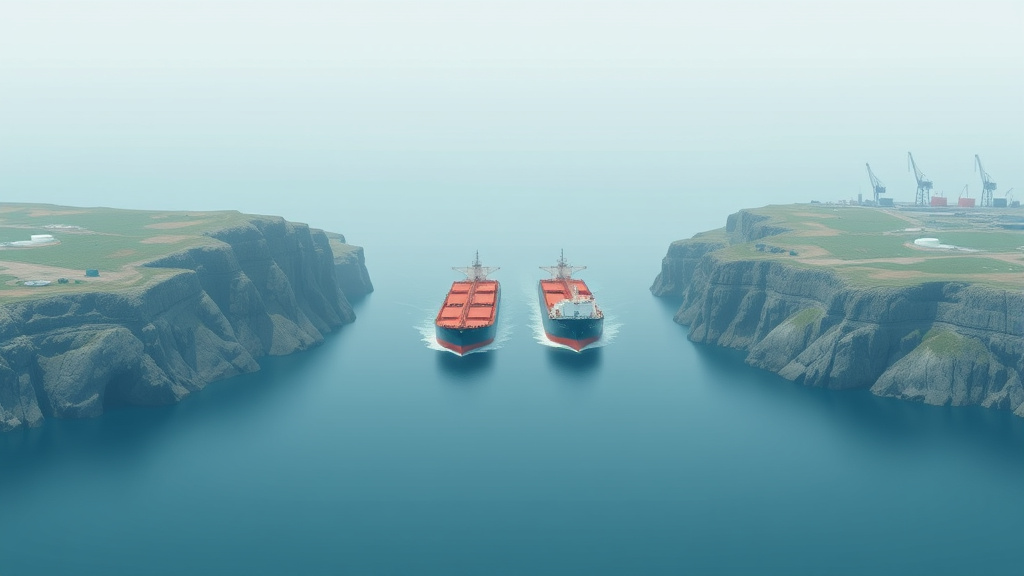
Several ships are refusing to use the U.S. military’s guided convoy passage through the Strait of Hormuz. Shipping companies are cautious despite U.S. efforts to reassure vessels and protect transit.
UPSC can frame the Strait of Hormuz as a geography-plus-security issue. A mains answer can examine the trade-off between convoy protection, freedom of navigation, sanctions enforcement, and the vulnerability of global energy supply chains.