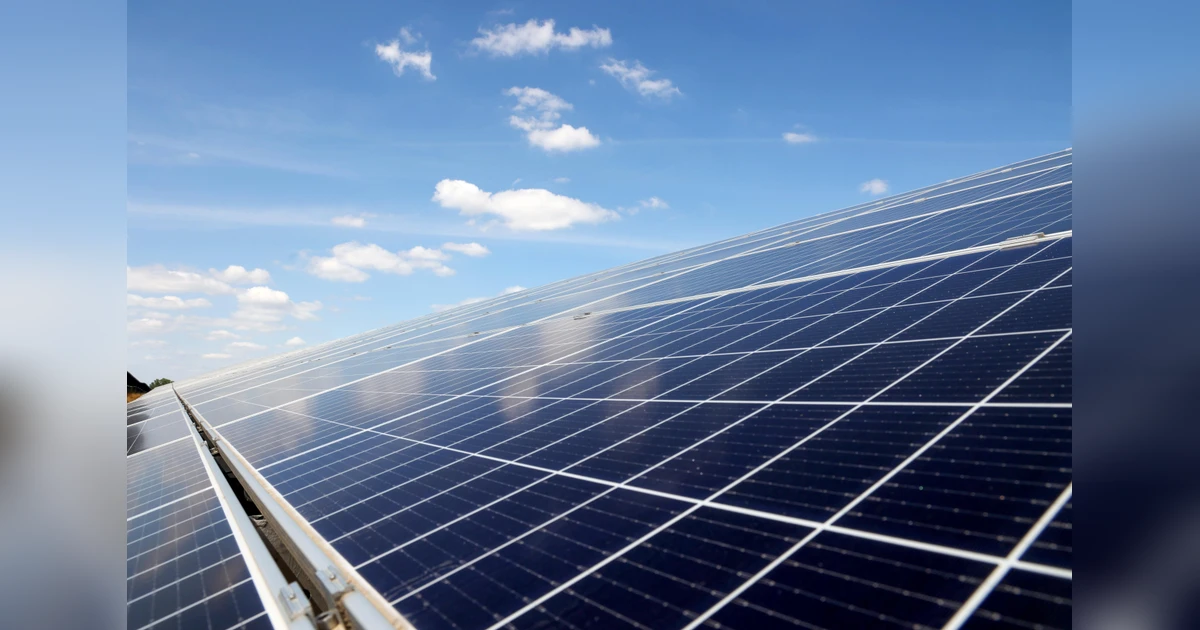
Kerala’s experience shows that a state can lead in rooftop solar adoption and still face power cuts if the electricity system cannot balance supply and demand across the day. The core issue is not the failure of solar power itself, but the timing mismatch between daytime generation and later demand.
Solar output is strongest in the daytime, while household and commercial consumption often rises in the evening. That creates a reliability problem for a grid that lacks enough storage, balancing support, and transmission flexibility to shift surplus daytime electricity to peak-demand hours.
The Kerala case is useful for UPSC because it links renewable-energy expansion with grid management, backup capacity, and energy storage. The state’s high rooftop solar numbers therefore need to be read as only one part of the power-system story, not as proof that all supply-side constraints have been solved.
Why the mismatch matters
A power system with strong solar growth still needs ways to store excess daytime electricity, manage evening peaks, and maintain backup generation when solar output falls. The Kerala case is a practical example of the broader challenge of integrating variable renewable energy into a reliable electricity grid.