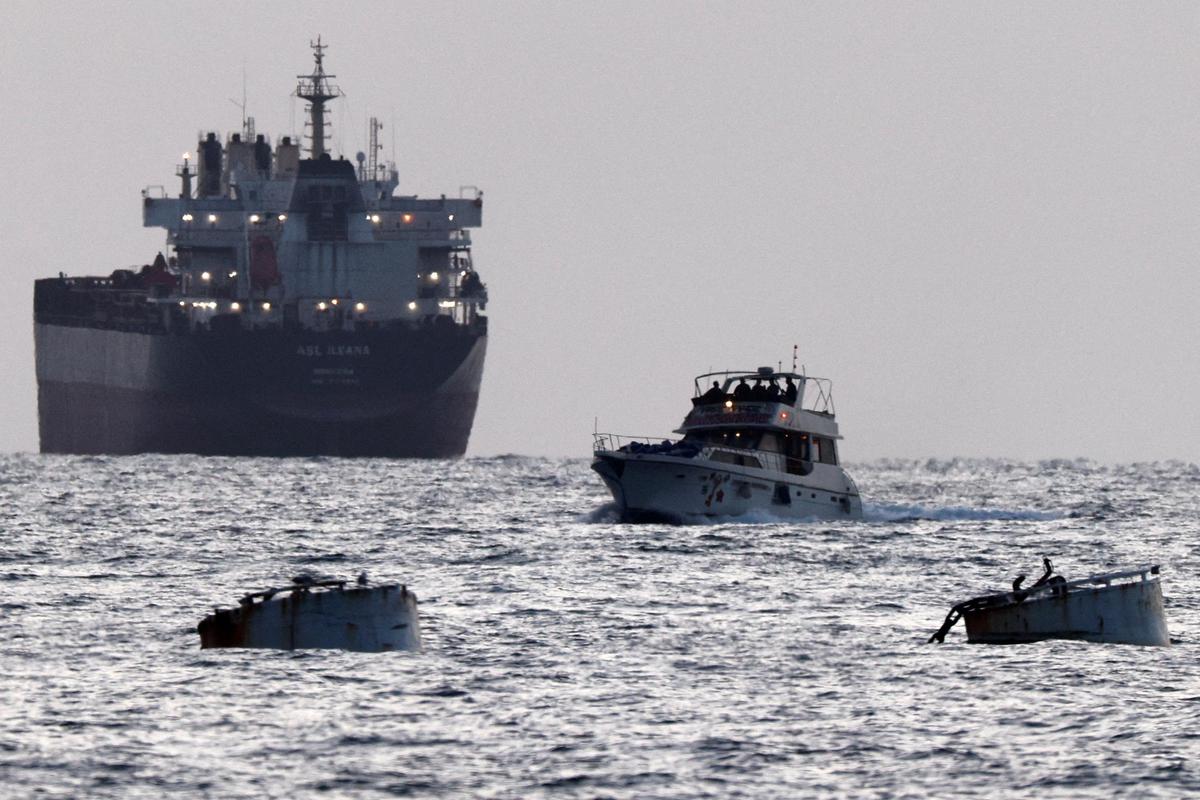
A Houthi leader in Yemen is reported to be central to decision-making and to the operational push behind a naval blockade announcement. The development matters because the Houthi move is intended to pressure Saudi Arabia and widen the conflict into the maritime domain.
The Houthi blockade announcement sits inside the wider regional war environment. It also raises risks for maritime traffic and for diplomatic efforts aimed at de-escalation.
Background and earlier position
The Houthi movement has long been a major actor in Yemen’s conflict. Its military and political decisions have often had consequences beyond Yemen’s land front, especially for the Red Sea and nearby shipping routes.
What changed now
The latest reported change is the announcement of a naval blockade posture linked to Houthi decision-making. The blockade is presented as an instrument of pressure on Saudi Arabia and as a way to broaden the conflict at sea.
Related current affairs
- Yemen’s Houthis open a new war front with naval blockade on Saudi
- Houthi sea blockade of Saudi Arabia at Red Sea gateway
- Yemen’s Houthis claim attack on Saudi Arabian oil tanker in Red Sea
- Yemen: Houthi rebels claim attack on Saudi military vessel in Red Sea
- Houthi missiles kill at least four civilians in port city, says Yemen
- Iran vows ‘eye for an eye’ as U.S. bombing continues